_1400x600.jpg)
_1400x600.jpg)
_1400x600.jpg)
Item 1 of 4
Properties
Properties of the Building
Architect(s)
Mimar Sinan
Construction Date
1558-1559
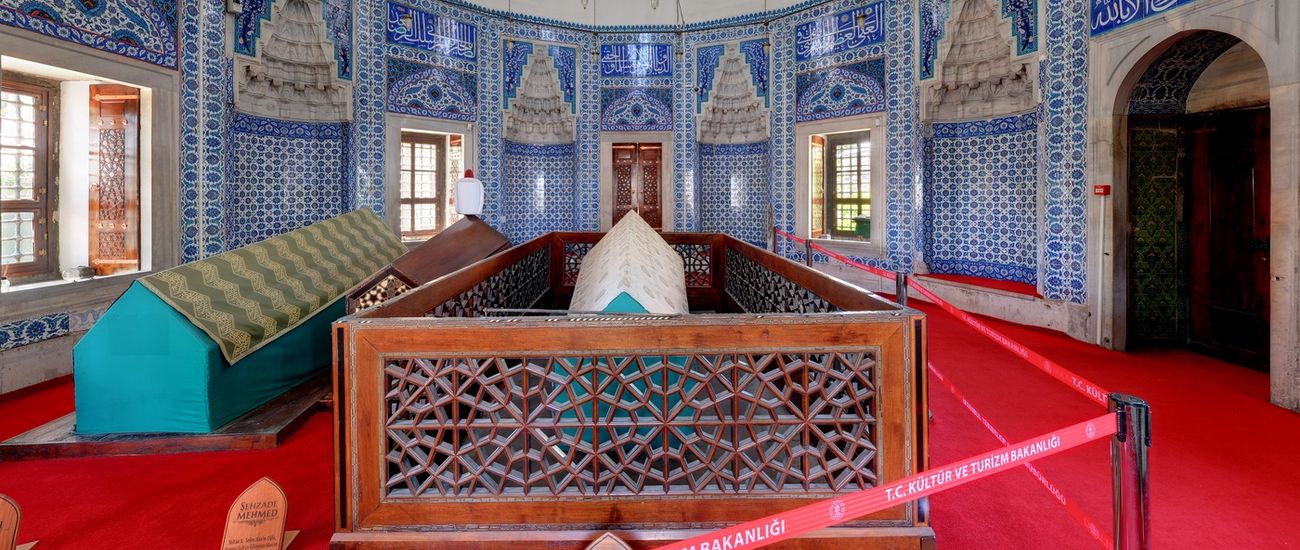
The Tomb of Hürrem Sultan, located southeast of the Tomb of Kanuni Sultan Suleiman the Magnificent in the Süleymaniye Complex, was built by Mimar Sinan for Hürrem Sultan, who died on 15 April 1558.
Architectural Features
The octagonal mausoleum with a portico entrance showcases a distinctive mass and façade design. Beneath the dome, which has a diameter of 9.20 meters, there is a cylindrical drum adorned with a large, flowing inscription of a verse in the celi sülüs style, a style of Arabic calligraphy with large, bold letters and elegant, flowing forms. This structure is characterised by lower-row windows with iron grilles, oculus windows with pointed arches above, and stone profiles that complete a mature style. In the exterior architecture, the octagonal surfaces are organised into rectangular panels with pronounced mouldings. The dome rests on a simple, low cylindrical drum.
Interior Ornamentation
The bright interior of the tomb is covered with İznik tiles featuring flowering spring trees rising among tulips and carnations. In the corners of the blue-tiled panels are depictions of Chinese clouds, with an imitation marble (porcelain) tile skirting below. Above the panels, the Declaration of Oneness (Kelime-i Tevhit) and prayer beads (tespih) are inscribed in white sülüs calligraphy on a dark blue background. Floral-patterned tiles rising to the stained-glass windows enrich the hexagonal interior with niches framed by muqarnas.
Fresh Flowers
The accounts of the travelers state that Hürrem Sultan's tomb, decorated with tiles depicting tulips and carnations, was adorned with fragrant flowers cut from the garden in every season, displayed in porcelain vases. In the legal endowments (waqf) of many mosques and tombs, stipulations require the placement of fresh flowers in vases to create a fragrant environment for those who visit or pray in these spaces.
References
Kuban, Doğan. (1994). 'Süleymaniye Complex', İstanbul Ansiklopedisi, Vol. 7, pp. 96–104.
Mülayim, Selçuk. (2010). 'Süleymaniye Complex', DİA, Vol. 38, İstanbul, pp. 114–119.
Necipoğlu, Gülru. (2013). Architectural Culture in the Age of Sinan in the Ottoman Empire, Translated by Gül Çağalı Güven, İstanbul, pp. 293–294, 296.
Natural Stones
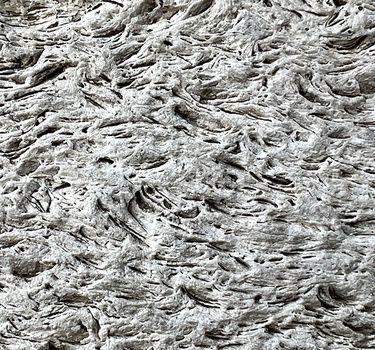
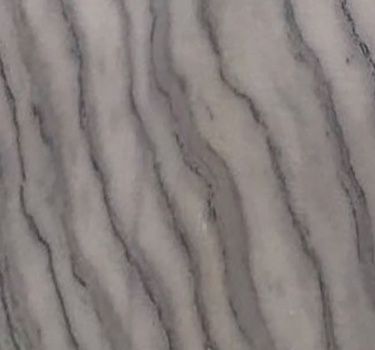
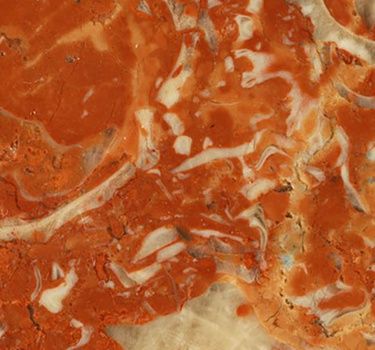
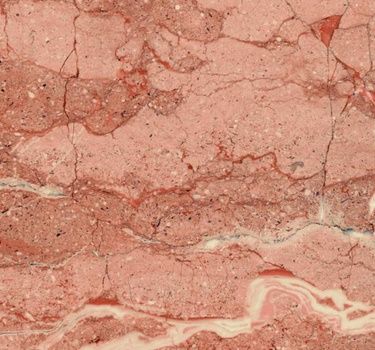
Stones used in this building