Item 1 of 1
Properties
Properties of the Stone
Additional Names
Marmor Carystium, Cipollino Verde
Color
Green+White
Scientific Classification
Schistian Marble
Commercial Classification
Marble
Quarry Site
Karystos-Greece
Quarry State
Inactive
Quarry Site and Nomenclature
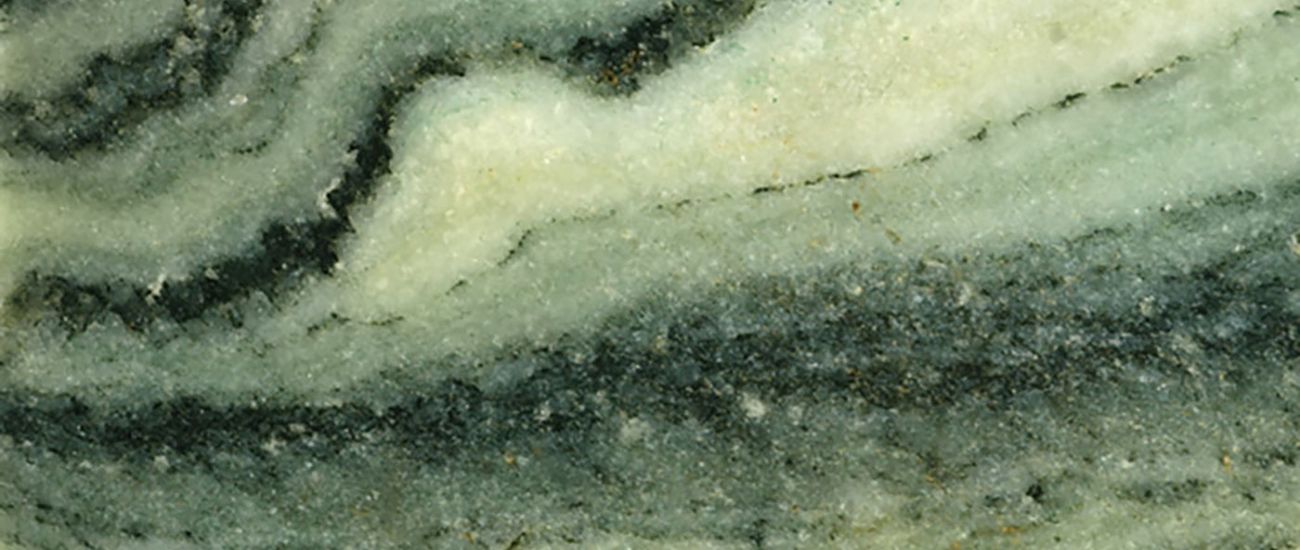
Karystosian Marble, extracted from ancient quarries in the Karystos region of the island of Euboea (Evia) in Greece, was actively mined between the 1st and 7th centuries. Classified as ‘True Marble,’ it contains chlorite and muscovite minerals, which contribute to its distinctive green and white striped pattern. Known as ‘Marmor Carystium’ during the Roman Empire, Italian stone masons also called it ‘Cipollino Verde’ due to its resemblance to the appearance of an onion.
Aesthetic Qualities and Usage Areas
Karystosian Marble was highly valued in ancient times and continued to be used during the Byzantine era. Its unique appearance and colorful veins made it a popular choice among the Romans, especially for column shafts and sculptures. Karystosian Marble was preferred for columns, capitals, floor tiles, sculptures, and other architectural details.
_276x160.jpg)
_276x160.jpg)