Item 1 of 19
Properties
Properties of the Building
Architect
Anthemios, Isidoros
Construction Start
532
Construction Completion
537
Building History
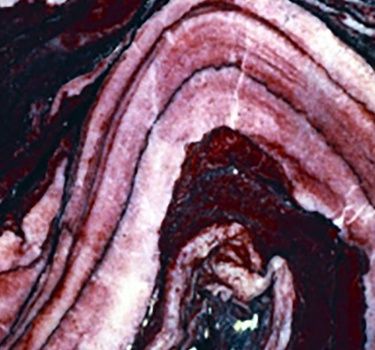
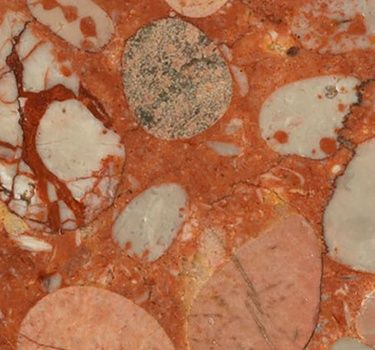
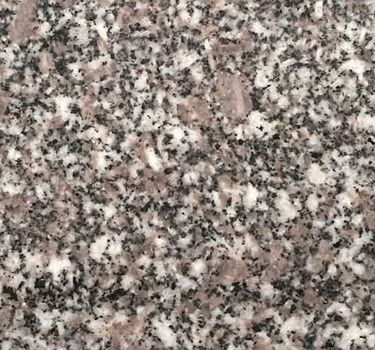
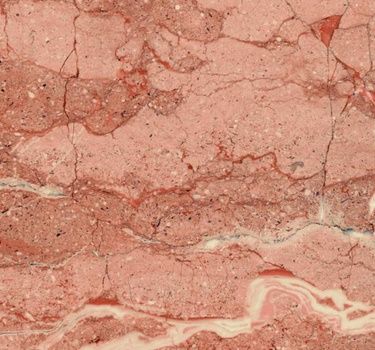
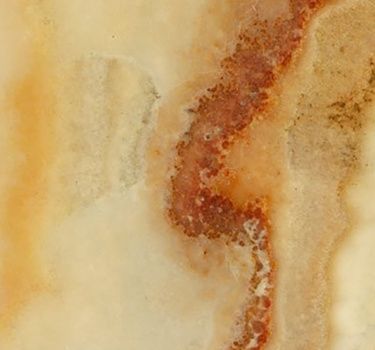
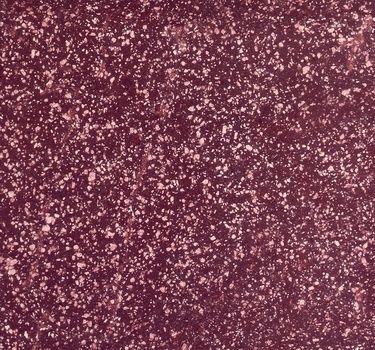
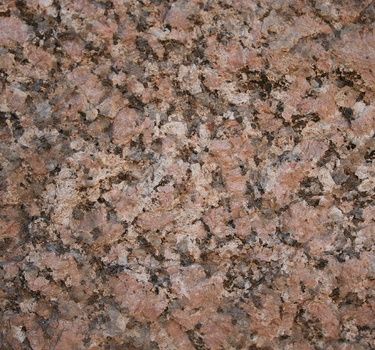
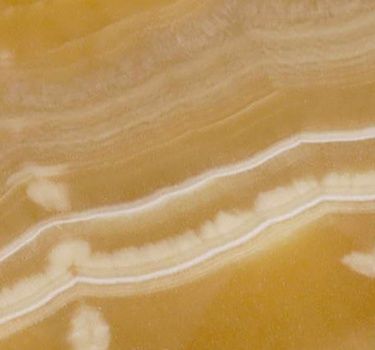
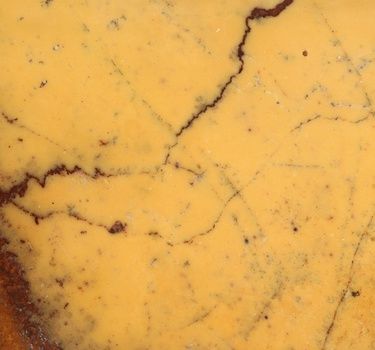
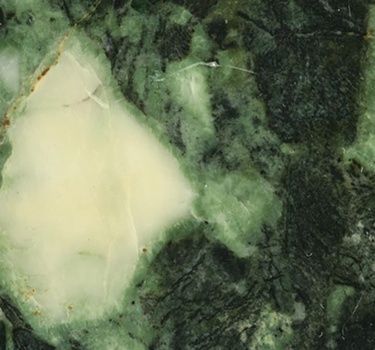
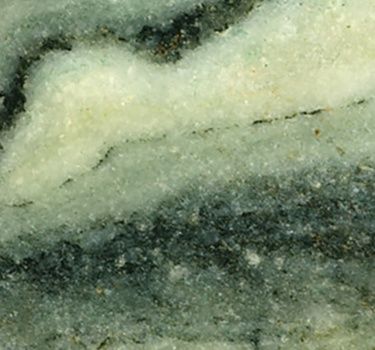
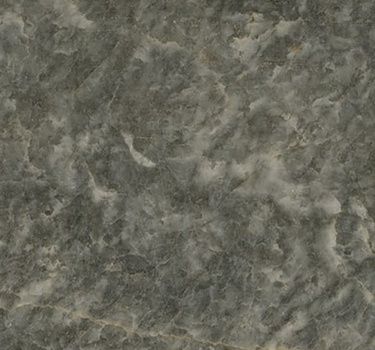
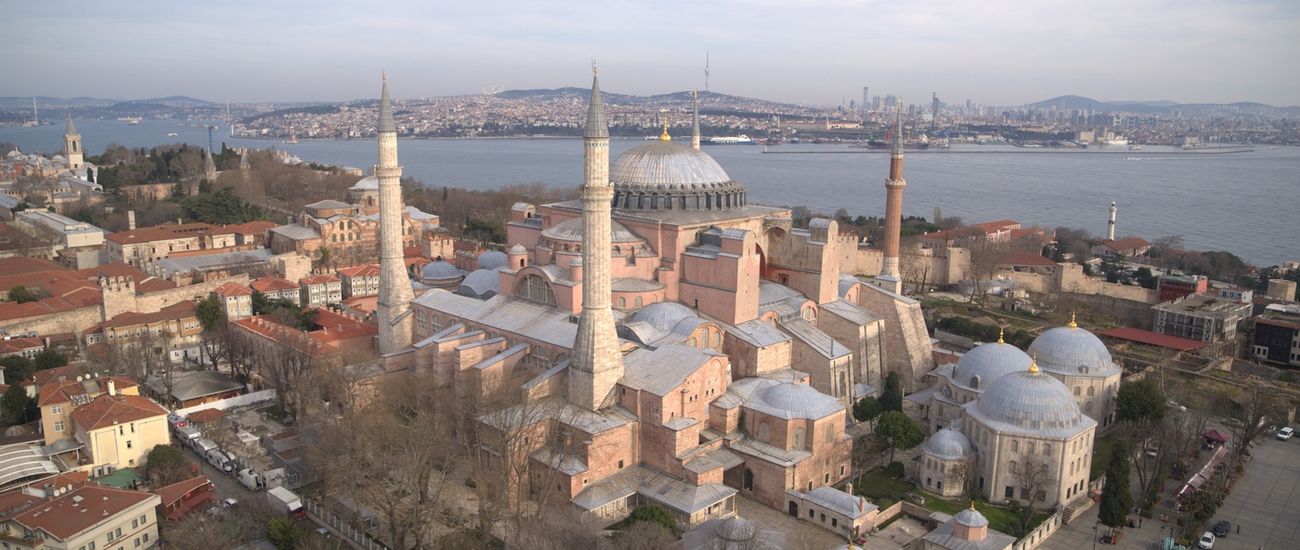
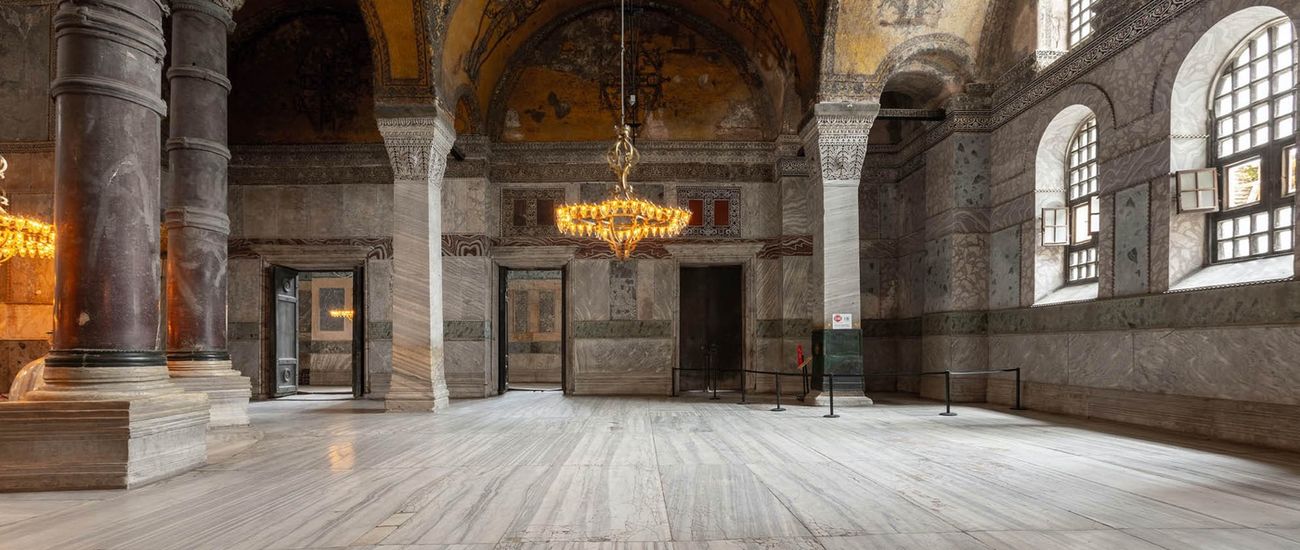
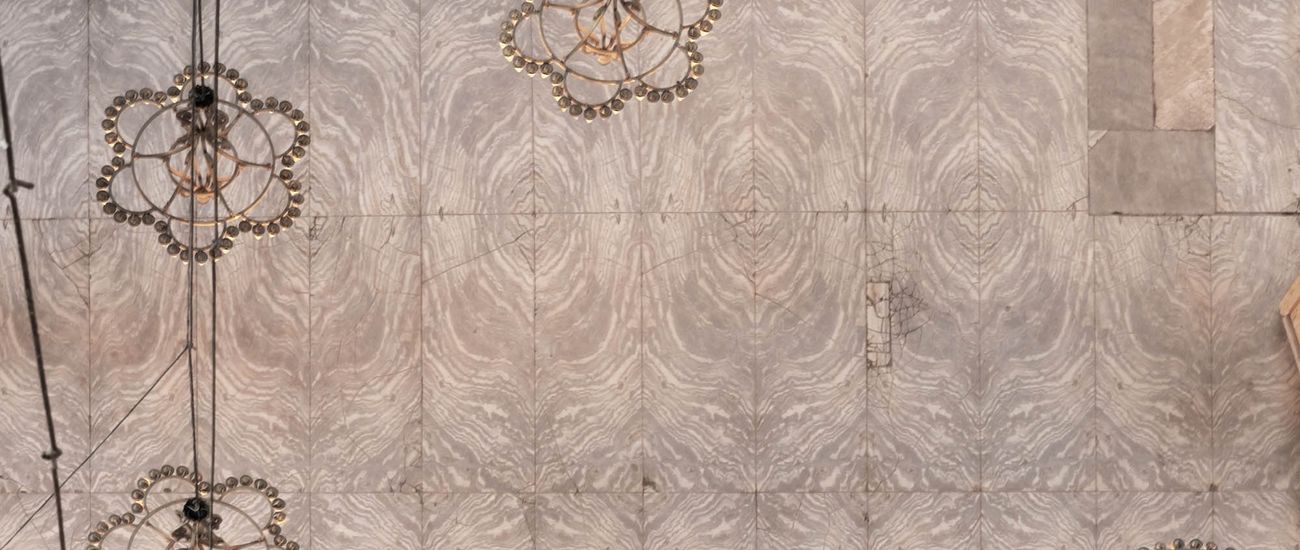
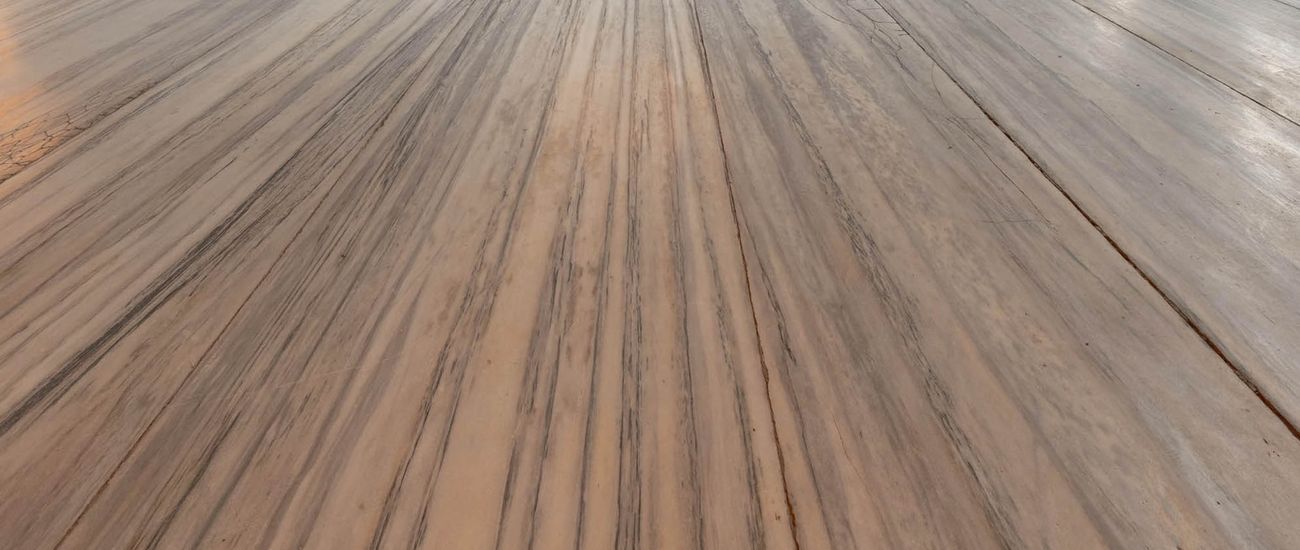
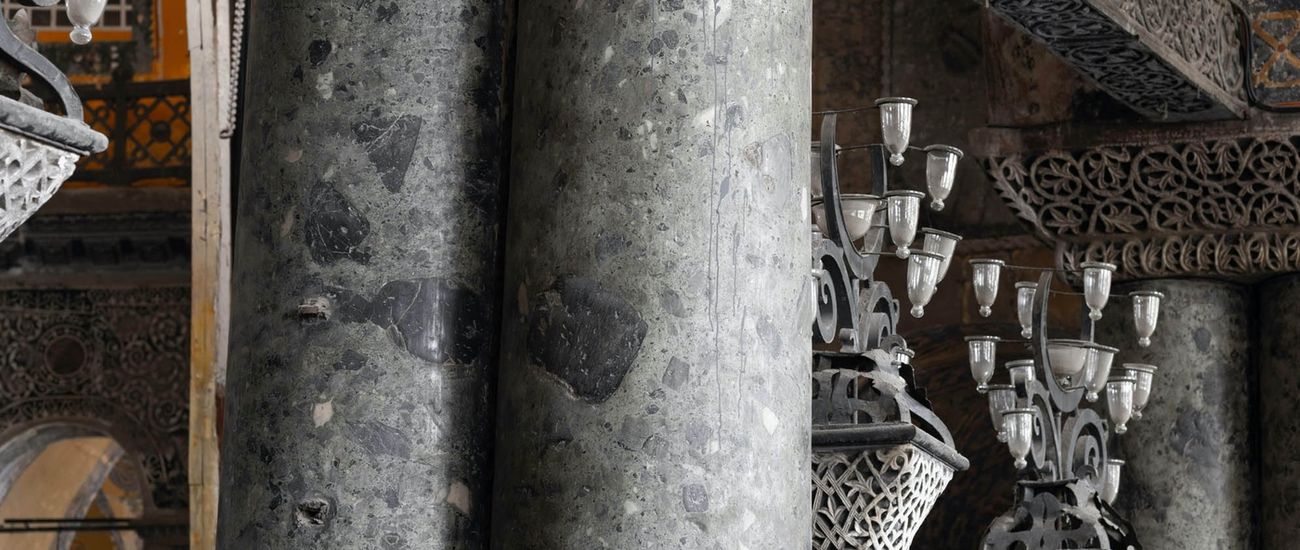
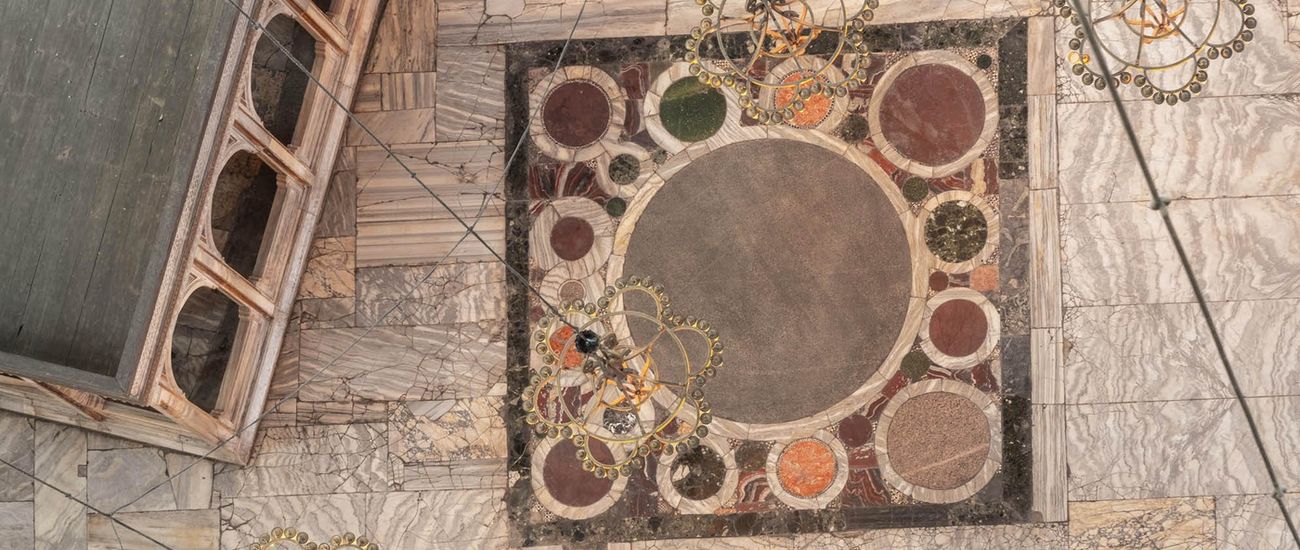
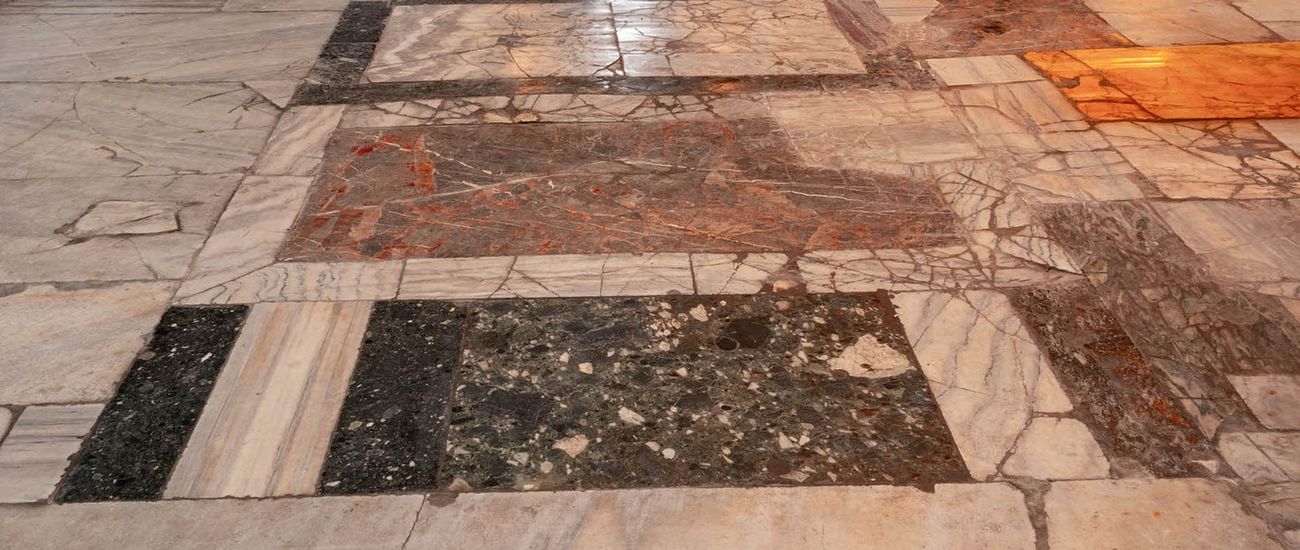
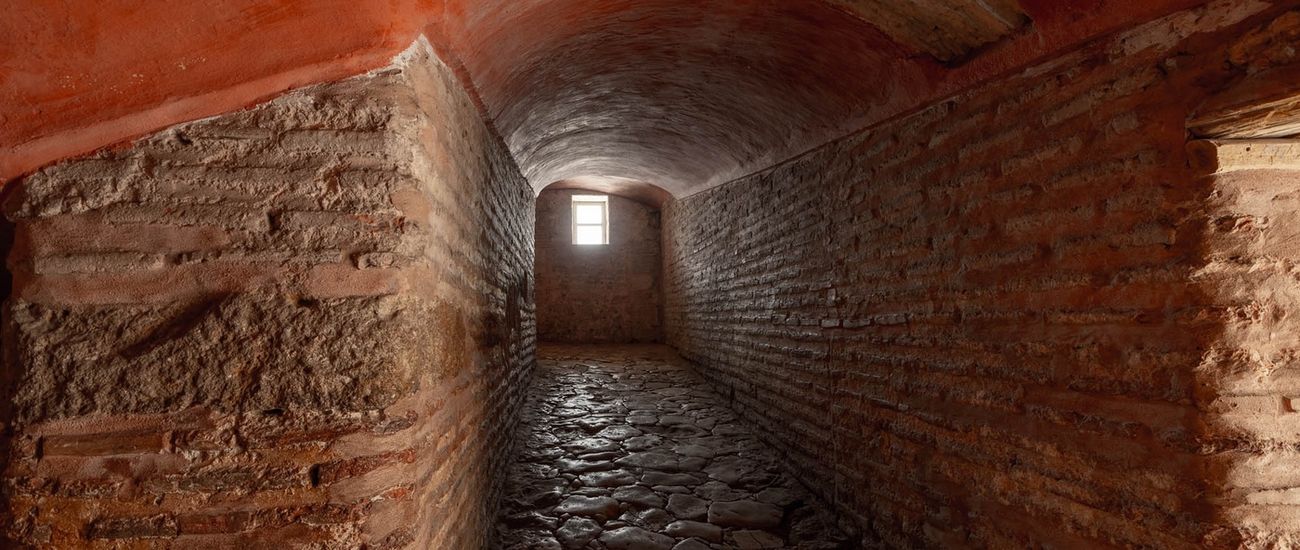
The original Hagia Sophia building was constructed in the 4th century by Emperor Constantius II. The basilica, featuring a wooden roof, was opened for worship in 360. After suffering severe damage in a fire during the revolt of 404, it reopened in 415 under Emperor Theodosius II. Following its destruction during the Nika Revolt of 532, Emperor Justinian envisioned a grander, more magnificent version of Hagia Sophia. Architects Anthemios and Isidoros were commissioned to rebuild it, sourcing materials from temples across the empire. The main pillars supporting the dome of Hagia Sophia were constructed of stone, while the body walls, arches, dome, and vaults were built with brick. The building featured various types and colours of stone materials in its floor and façade cladding. Hagia Sophia was completed in approximately six years and opened for worship on 27 December 537.
Architectural Features
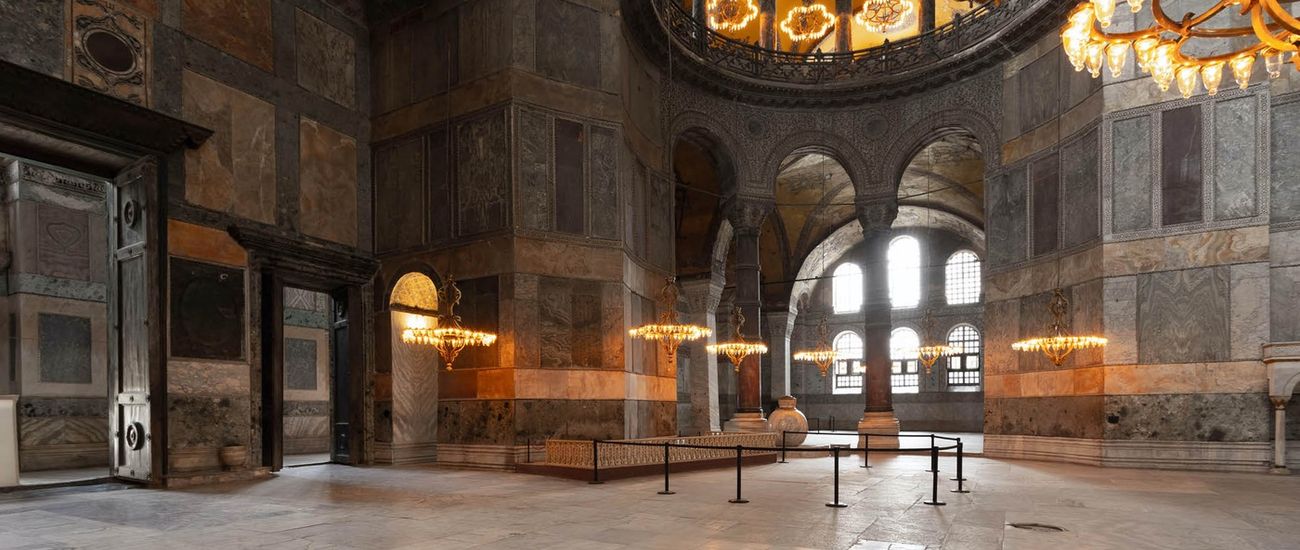
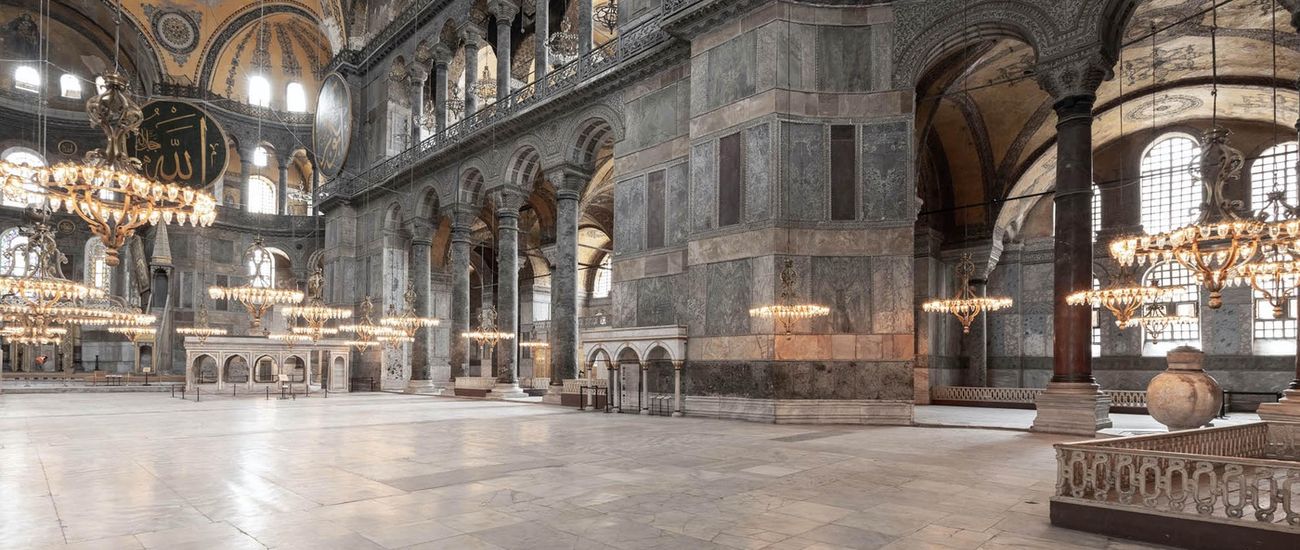
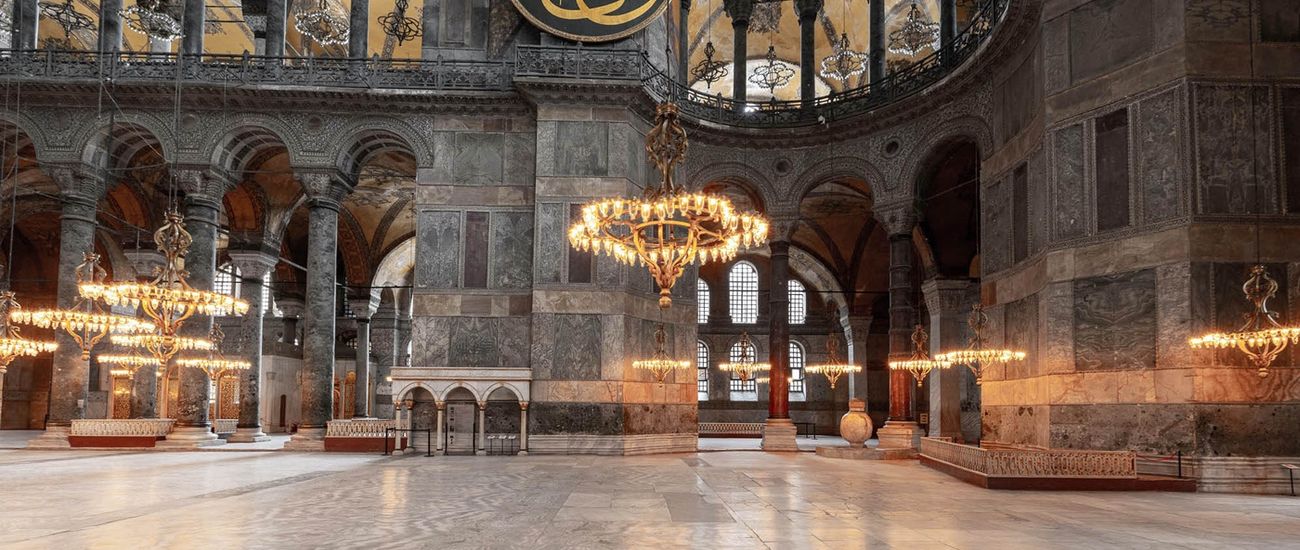
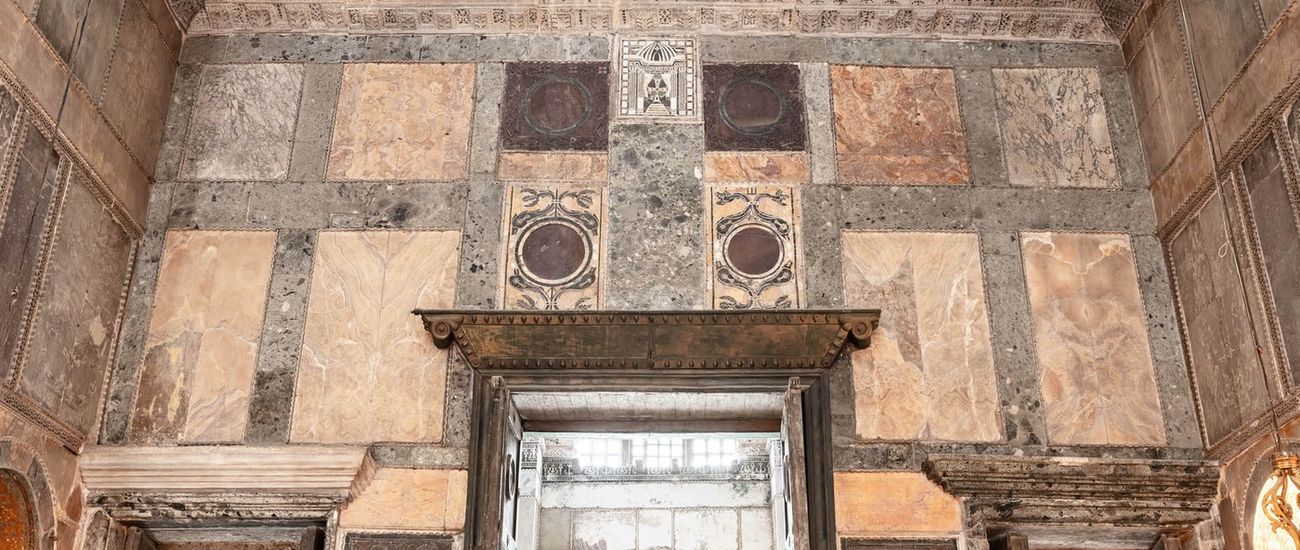
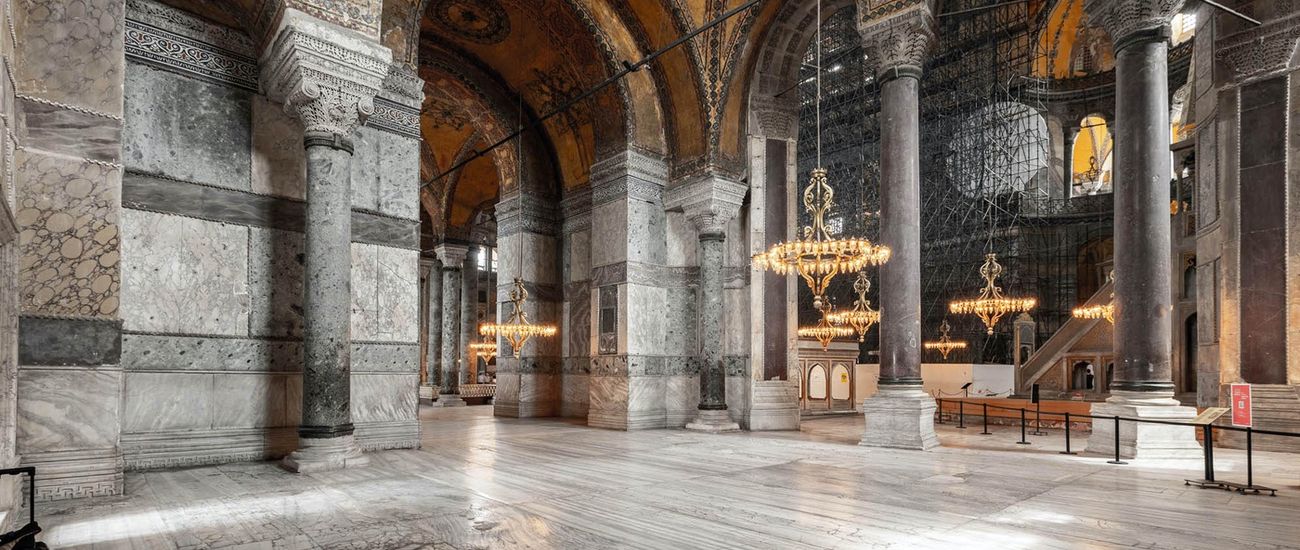
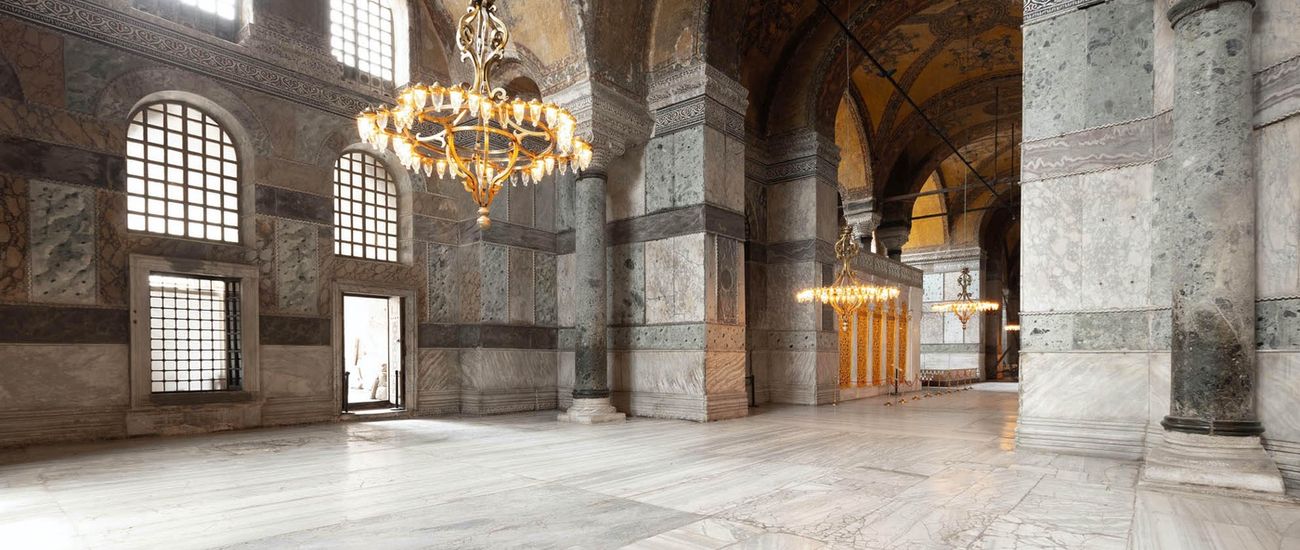
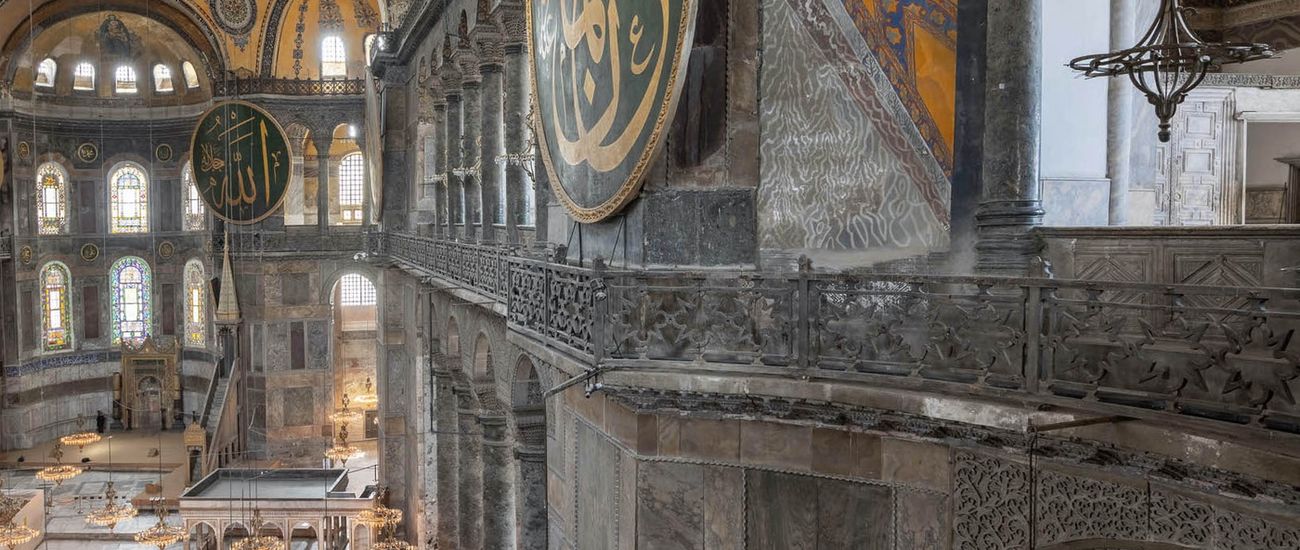
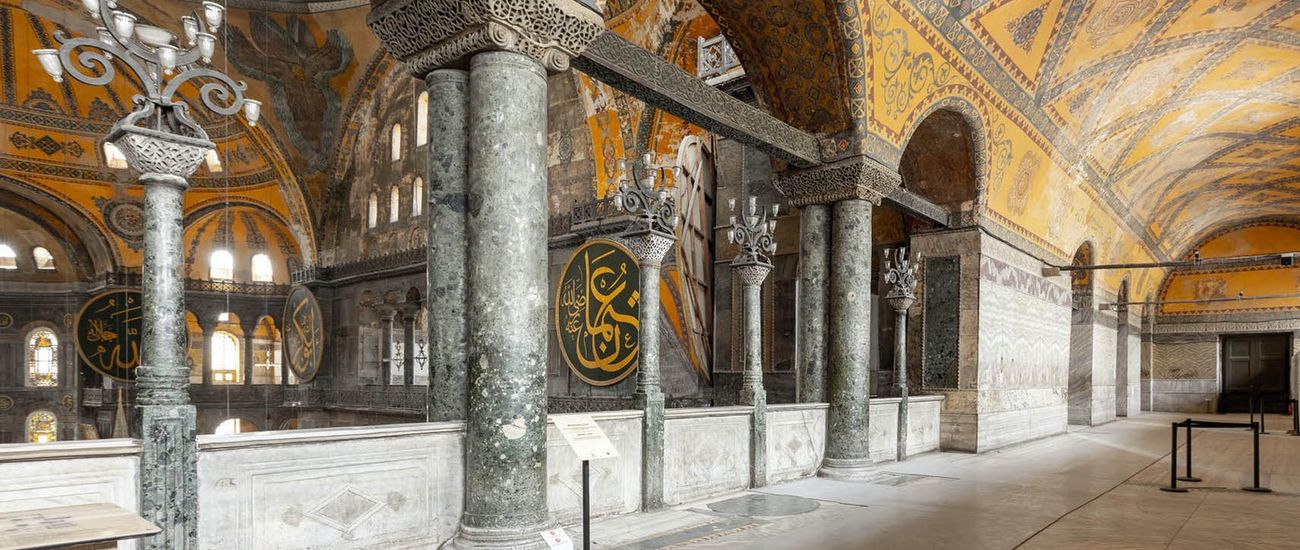
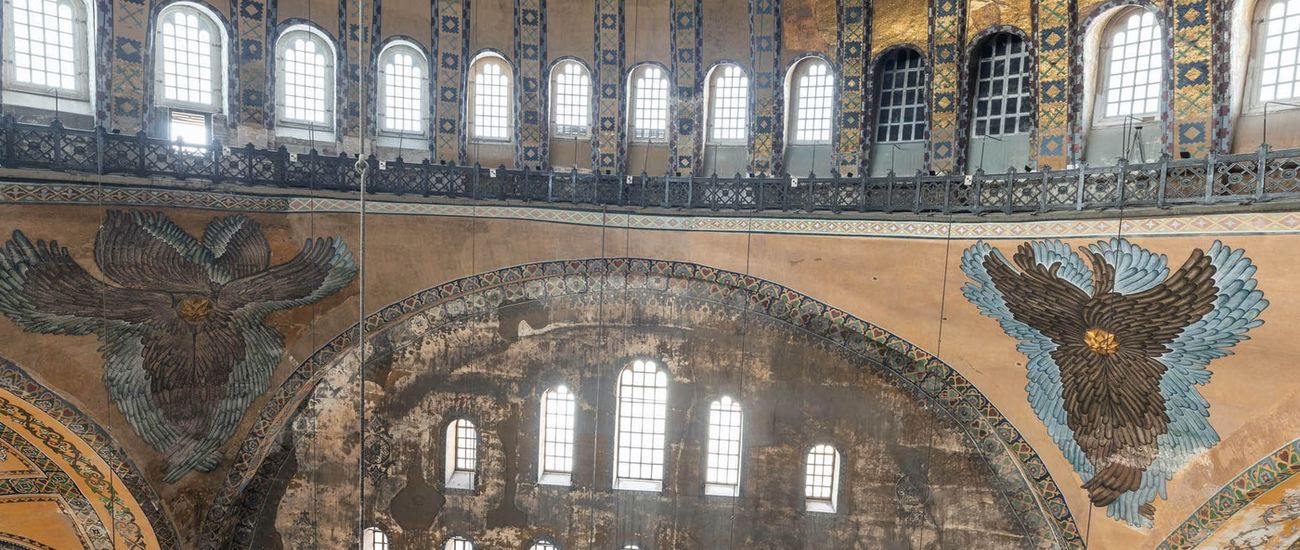
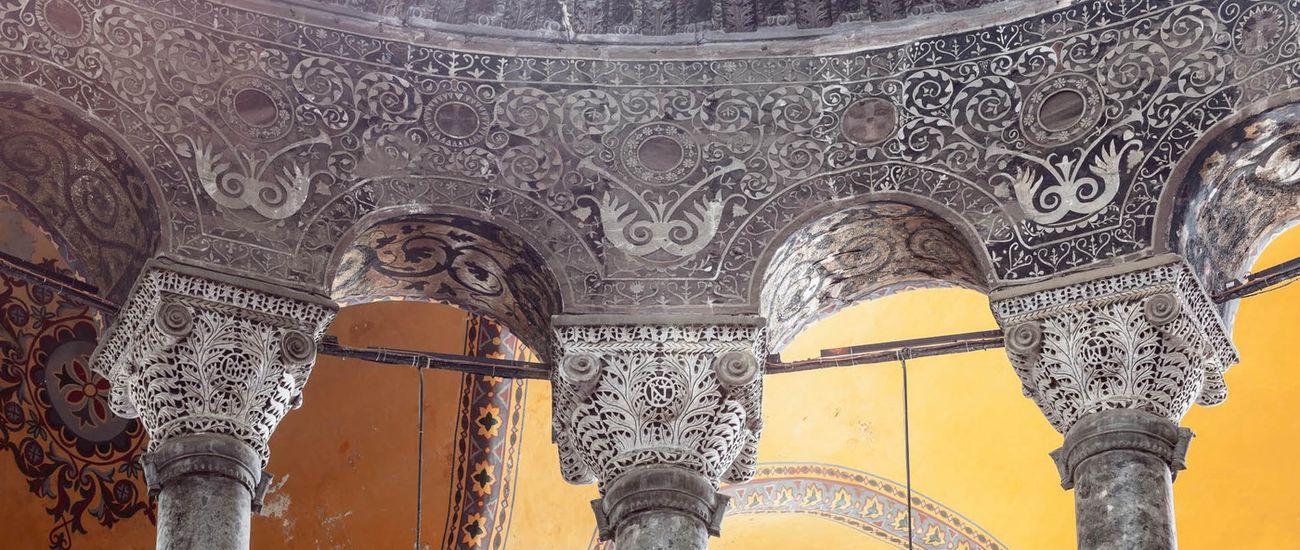
Hagia Sophia was designed as a basilica with centralised plan, with a large central dome supported by two half-domes. The main dome, spanning approximately 31-33 meters, was the largest in the world at the time and was supported by four pillars connected by arches. Unlike its predecessors, the current Hagia Sophia's roof was constructed of masonry to resist fire. The body walls, arches, dome, and vaults of were made of brick, while the main pillars supporting the dome were built from stone. Various types and colours of stone were used in the floor and façade cladding and the masonry ceilings were adorned with mosaics.
The first dome, which was flatter than the current one, collapsed 21 years after the building’s completion. The rebuilt dome, along with parts of the main arches, was damaged and reconstructed following earthquakes in the 10th and 14th centuries. In the following centuries, figurative mosaic decorations were added, particularly on some of the gallery walls. For nearly a thousand years, Hagia Sophia reigned as the world’s largest cathedral, symbolizing the architectural and cultural achievements of its time.
The Ottoman Era
After the conquest of Constantinople, Sultan Mehmed II, who prevented the destruction of Hagia Sophia, performed the first Friday prayer there and incorporated it into his endowments. Neither Mehmed II nor the sultans who succeeded him altered the building's renowned mosaics, even as they regularly appearing there for public Friday prayers. In the 15th and 16th centuries, minarets were gradually added to the four corners of Hagia Sophia, as in imperial mosques, and a pulpit, lectern, and gallery were constructed inside. During the restoration of Hagia Sophia Mosque in the mid-15th century, commissioned by Sultan Selim II, Mimar Sinan strengthened the structure with external buttresses. Under Sultan Mahmud I in the 18th century, a fountain, a library, an elementary school, and a soup kitchen were added, transforming Hagia Sophia into a comprehensive Ottoman mosque complex. The imperial lodge/the sultan's loge, and the timekeeping room (muvakkithane), added during Sultan Abdulmejid’s reign in the mid-19th century, were the last Ottoman additions to Hagia Sophia.
References
Ayvansarâyî Hüseyîn Efendi, Alî Sâtı Efendi, Süleyman Besîm Efendi. (2001). Hadîkatü’l-Cevâmi, İstanbul Câmileri ve Diğer Dinî-Sivil Mi'marî Yapılar, Ed. Ahmed Nezih Galitekin, İşaret Yayınları, İstanbul, pp. 42-46.
Diker, Hasan Fırat. (2016). Ayasofya ve Onarımları, Fatih Sultan Mehmet Vakıf Üniversitesi Yayınları, İstanbul.
Dirimtekin, Feridun. (1994). 'Ayasofya’, Dünden Bugüne İstanbul Ansiklopedisi, A joint publication of the Ministry of Culture and the History Foundation, Vol. 3, İstanbul, pp. 1439-1454.
Eyice, Semavi, 1991, ‘Ayasofya’, DİA, Vol. 4, İstanbul, pp. 206-210.
Eyice, Semavi, 1994, ‘Ayasofya Mozaikleri’, Dünden Bugüne İstanbul Ansiklopedisi, A joint publication of the Ministry of Culture and the History Foundation, Vol. 3, İstanbul, pp. 1455-1459.
Kahraman, Seyid Ali; Dağlı, Yücel. (2003). Günümüz Türkçesiyle Evliya Çelebi Seyahatnamesi, Vol. I. YKY, İstanbul, pp. 83-100.
Kuban, Doğan. (2007). Osmanlı Mimarisi, YEM Yayınları, İstanbul, p. 218.
(Photo by Buğrahan Şirvancı, Aerial view of Ayasofya photo by Oğuz Albayrak)
Natural Stones
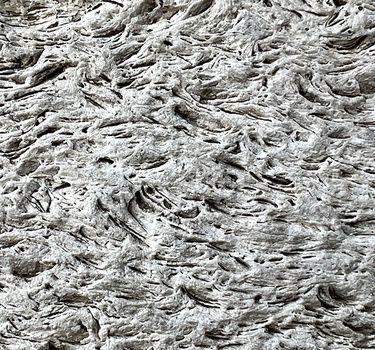
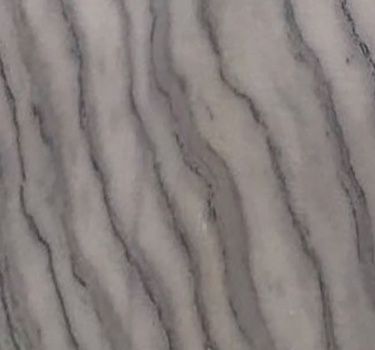
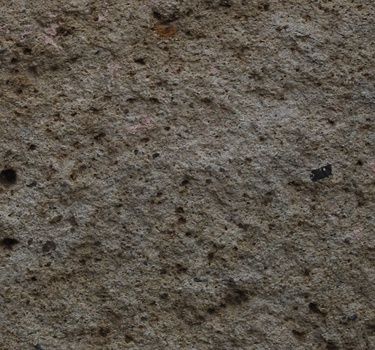
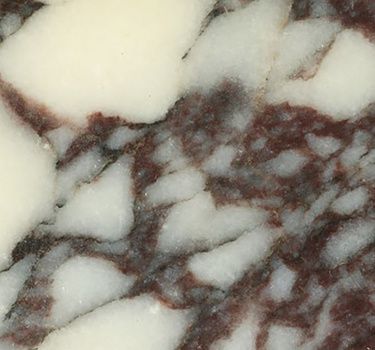
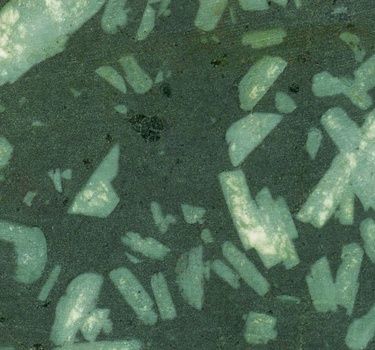
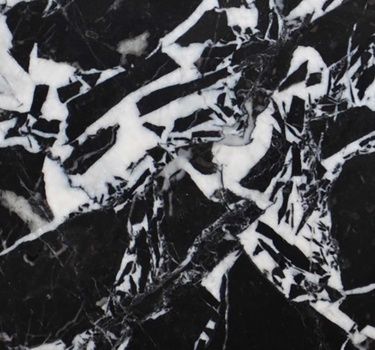
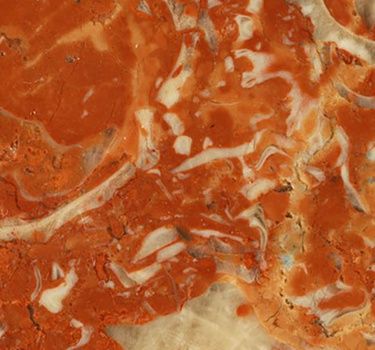
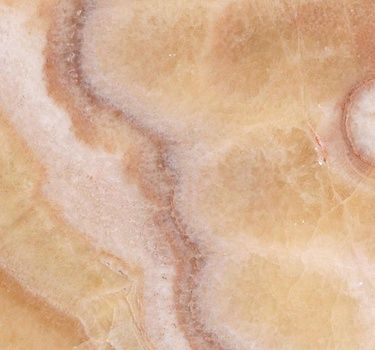
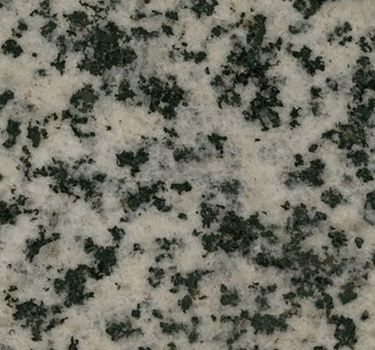
Stones used in this building