_1400x600.jpg)
_1400x600.jpg)
_1400x600.jpg)
_1400x600.jpg)
_1400x600.jpg)
_1400x600.jpg)
Item 1 of 6
Properties
Properties of the Building
Architect(s)
Atik Sinan, Mehmed Tahir Ağa
Construction Start
March 1463 / 31 July 1767
Construction Completion
December 1470 / April 1771
The Fatih Mosque and complex were built on the site of the former Church of the Twelve Apostles, which had been found in ruins following the conquest of Constantinople. The complex consists of the Sahn-ı Seman madrasas, a fountain (şadırvan), a guesthouse (tabhane), a soup kitchen (imaret), and a hospital (darüşşifa).
Architectural Features
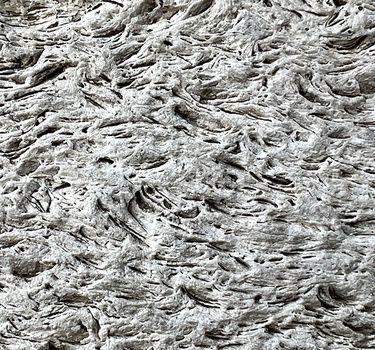
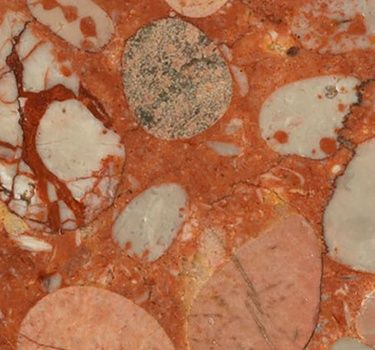
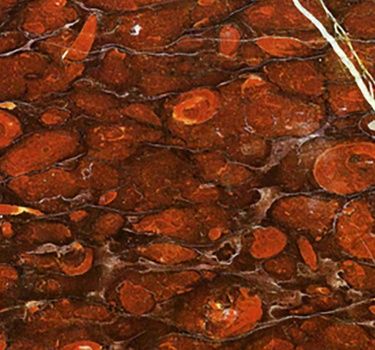
Construction of the mosque, made from finely cut limestone (küfeki stone), was started in March 1463 and was completed in December 1470. The mosque features twin minarets. The main dome is supported by a transitional zone made up of a half-dome above the mihrab and arched tympanum windows. This design allowed the central dome, which rests on a square baldachin system, to reach an unprecedented diameter of 26 meters and a height of 44 meters. The dome’s baldachin is supported by one large pillar on each side and red porphyry columns, seamlessly integrating the side spaces, each covered by three half-domes.
Inscriptions
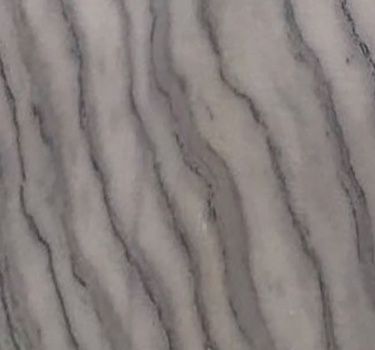
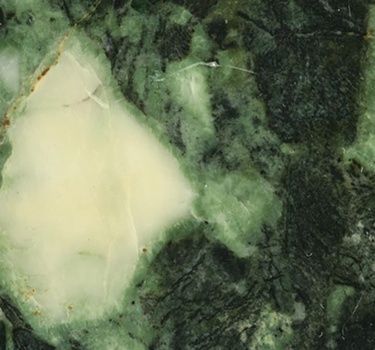
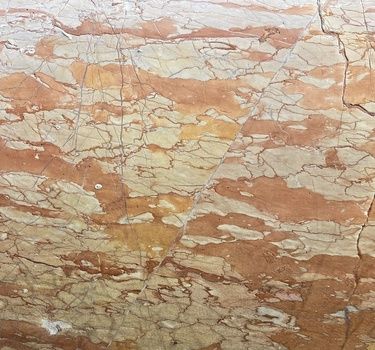
The Sultan’s loge (hünkâr mahfili) and the muezzin’s platform (müezzin mahfili) are of white marble. Some of the colourful stone slabs in the courtyard are remnants from the Church of the Holy Apostles. Inscriptions of the Surah Al-Fatiha, inlaid in white marble on green porphyry, adorn the courtyard’s window frames. A pair of tile panels adorn the two window pediments in the inner courtyard and as well as an inscription of two lines written in Ali Sofî calligraphy over the main door decorated with coloured stone.
Sundial
According to Evliya Çelebi, the sundial engraved in stone in front of the school next to the Boyacılar Gate of the mosque is a memory of Ali Kuşçu, the famous scholar of the 15th century.
Earthquake Damage
In the great earthquake that occurred in 1509, called the 'small apocalypse,' the dome of the Fatih Mosque was damaged, and the column capitals shattered. Although the mosque, which was damaged in the 1557 and 1754 earthquakes, was repaired, it could not withstand the earthquake of 1766. Its large dome collapsed, and the walls were damaged beyond repair.
The Second Fatih Mosque
The current Fatih Mosque, built during Sultan Mustafa III's reign, followed a completely new plan. Construction was started on 31 July 1767, and the mosque opened for worship in April 1771. The columns of the mosque feature semi-round corner cuts, and the stepped profiled mouldings separating the arch and half-dome bases exhibit Baroque characteristics.
Unfortunately, the Fatih Mosque and its complex have not been fully preserved, many building elements have been lost or altered by the construction of new buildings since the late 19th century.
References
Ayvansarâyî, Hüseyîn Efendi, Alî Sâtı Efendi, and Süleyman Besîm Efendi. (2001). Hadîkatü’l-Cevâmi: İstanbul Câmileri ve Diğer Dinî-Sivil Mi‘marî Yapılar, Edited by Ahmed Nezih Galitekin, İşaret Yayınları, İstanbul, pp. 48–49.
Erdoğan, Muzaffer. (1962). 'Son İncelemelere Göre Fatih Camii’nin Yeniden İnşası Meselesi', VD, no. 5, pp. 161–192.
Eyice, Semavi. (1995). 'Fâtih Camii ve Külliyesi', DİA, Vol. 12, İstanbul, pp. 244–249.
Kahraman, Seyid Ali, and Dağlı, Yücel. (2003). Günümüz Türkçesiyle Evliya Çelebi Seyahatnâmesi, Vol. 1, Book 1, Yapı Kredi Yayınları, Istanbul, pp. 101–105.
Kuban, Doğan. (2007). Osmanlı Mimarisi, YEM Yayınları, İstanbul, pp. 177–178.
Necipoğlu, Gülru. (2013). Sinan Çağı Osmanlı İmparatorluğu’nda Mimari Kültür, İstanbul Bilgi Üniversitesi Yayınları, İstanbul, pp. 109–113.
Natural Stones
Stones used in this building