Item 1 of 3
Properties
Properties of the Building
Original Building
Ayios Teodoros (Hagios Theodoros) Church
Architect(s)
Unknown
Construction
11th century
Repurposing
After the conquest of İstanbul in the 15th century
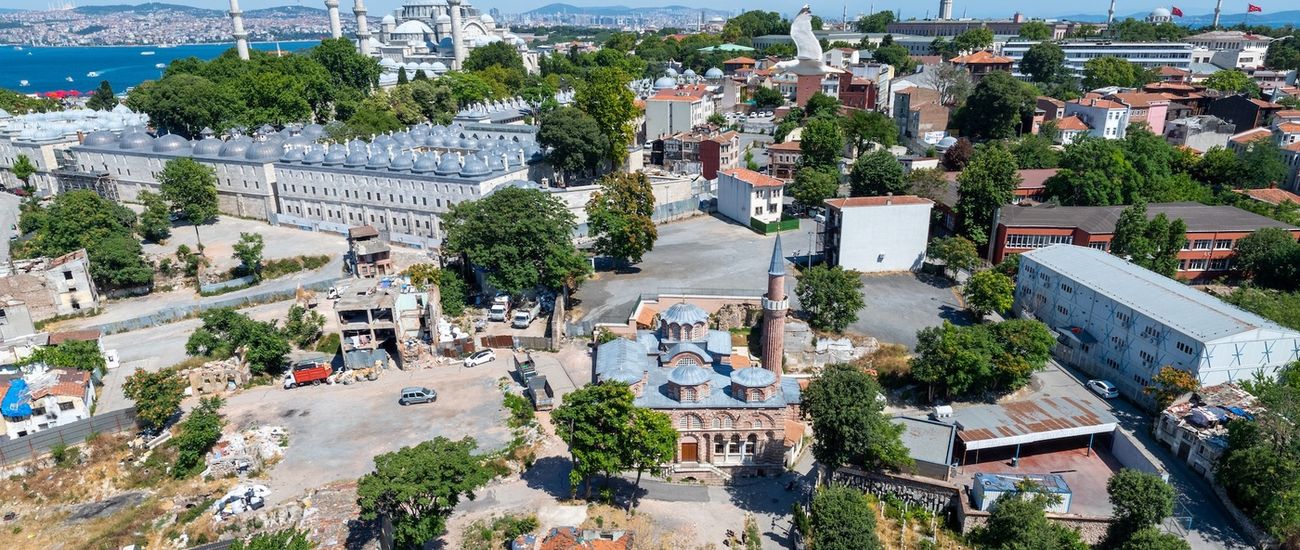
It is a church structure that was converted into a mosque by Sheikh al-Islam Şemseddin Ahmed, known as Molla Gürani, after the conquest of Istanbul. A minaret was later added to the structure.
Names and Year of Construction
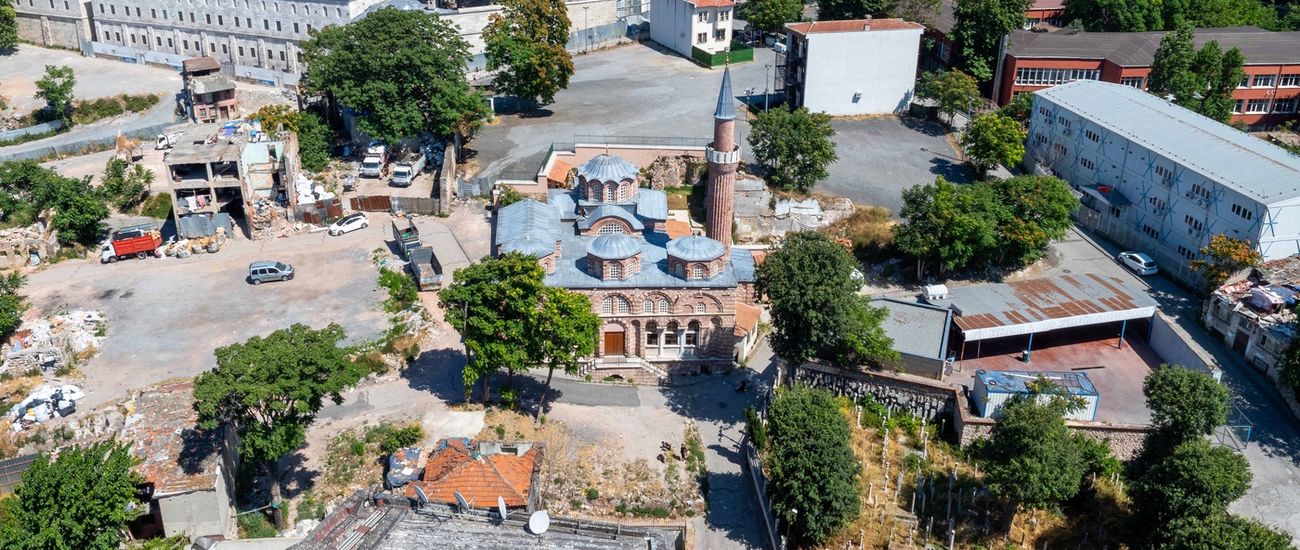
The Vefa Church Mosque, originally a Byzantine church, was converted into a mosque by Sheikh al-Islam Şemseddin Ahmed, also known as Molla Gürani, after the conquest of Istanbul. It is sometimes called Molla Şemseddin Mosque. The structure is believed to have been a part of one of the Ayios Theodoros (Hagios Theodoros) churches, but the exact original name of the church remains unclear.
Original Structure
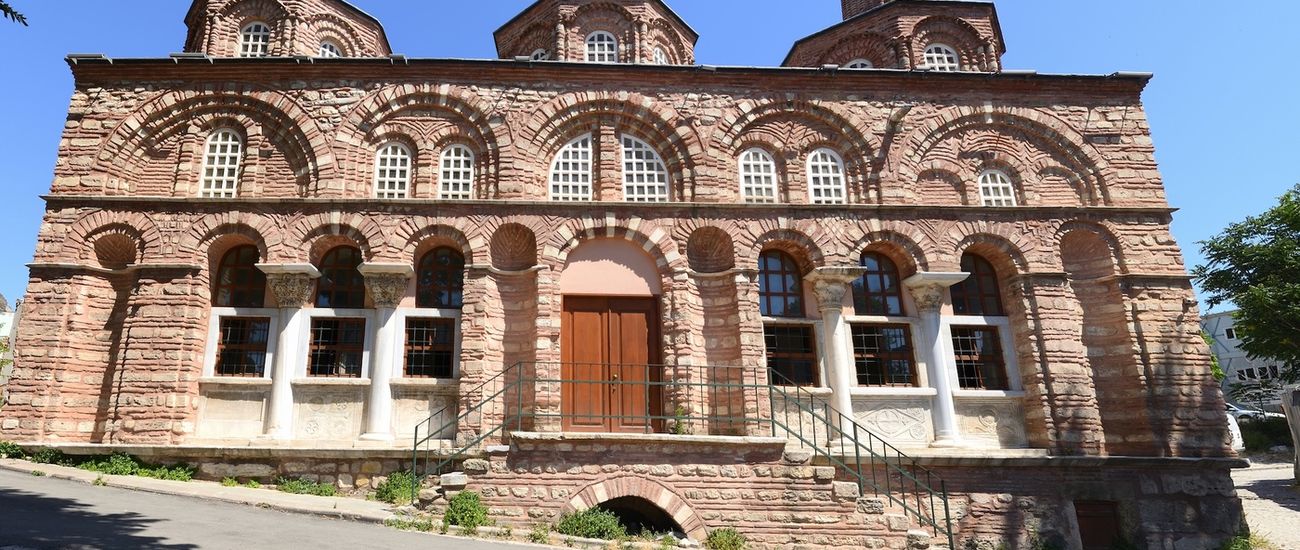
The Vefa Church Mosque, features building materials from two distinct periods. For example, the railing panels beneath the windows and column capitals are pieces from the 6th century. However, it is thought that the structure dates from the 10th or 11th centuries.
The church, dating back to the 6th century, follows the four-column closed cross plan, typical of the middle Byzantine period. The main space, which forms an equal cross, is supported by four columns and covered by barrel vaults. The central dome, rising above the intersection of the arms, is illuminated by windows. The eastern side features an apse, while the sides have dome-vaulted subsidiary rooms flanking the sanctuary, known as pastophorion cells.
Ottoman Period
In the Ottoman era, an entrance hall, or narthex, was added on the west side. The four original columns in the center were replaced after being destroyed by fire. The western façade was redesigned in the Ottoman-Turkish style, with arches and columns creating a more dynamic appearance, and windows placed between them.
Byzantine Paintings
In 1937, mosaics were uncovered inside the domes of the outer narthex. These paintings include a depiction of Mary in a medallion at the center of the dome and various prophets portrayed in the adjacent segments. Reflecting the vibrant style of late Byzantine painting and showing similarities to the wall decorations of Kariye Mosque, they have been damaged over time.
References
Ayvansarâyî Hüseyîn Efendi, Alî Sâtı Efendi, Süleyman Besîm Efendi. (2001). Hadîkatü’l-Cevâmi, İstanbul Câmileri ve Diğer Dinî-Sivil Mi'marî Yapılar, Ed. Ahmed Nezih Galitekin, İşaret Yayınları, İstanbul, pp. 251, 273.
Eyice, Semavi. (1994). ‘Vefa Kilise Cami’, Dünden Bugüne İstanbul Ansiklopedisi, Vol. 4, A Joint Publication of the Ministry of Culture and the History Foundation, İstanbul, pp. 373-375.
Kuban, Doğan. (2007). Osmanlı Mimarisi, Yem Yayınları, İstanbul, p. 219.
Natural Stones
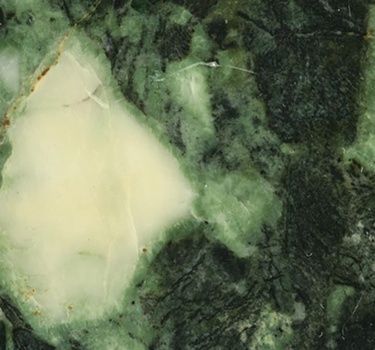
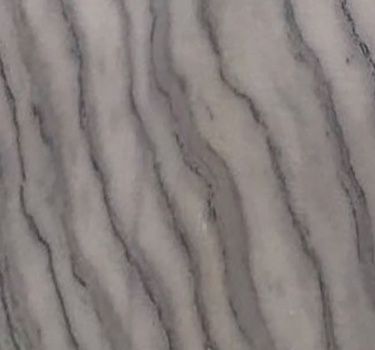
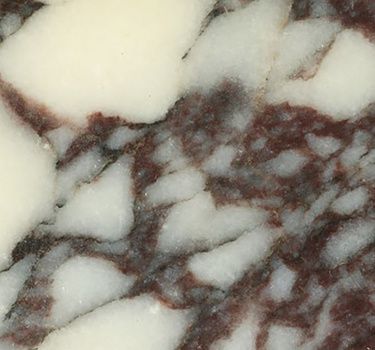
Stones used in this building