Item 1 of 2
Properties
Properties of the Stone
Additional Names
Marmor Numidicum, Giallo Antico
Color
Yellow
Scientific Classification
Limestone
Commercial Classification
Marble
Quarry Site
Chemtou-Tunisia
Quarry State
Inactive
Quarry Site and Nomenclature
Tunisian Yellow Marble was quarried from the ancient stone quarries in the Chemtou region of northwestern Tunisia, known in antiquity as Numidia. Numidia was a province of the Roman Empire, famous for its rich marble deposits. During the Roman period, the quarries were actively worked from the 2nd century BC to the 3rd century AD. This stone was known as 'Marmor Numidicum', named after the province of Numidia. Later, Italian stonemasons referred to it as 'Giallo Antico' (Ancient Yellow). It was exported to various Mediterranean countries until the quarries were exhausted in the 3rd century.
Technical Characteristics
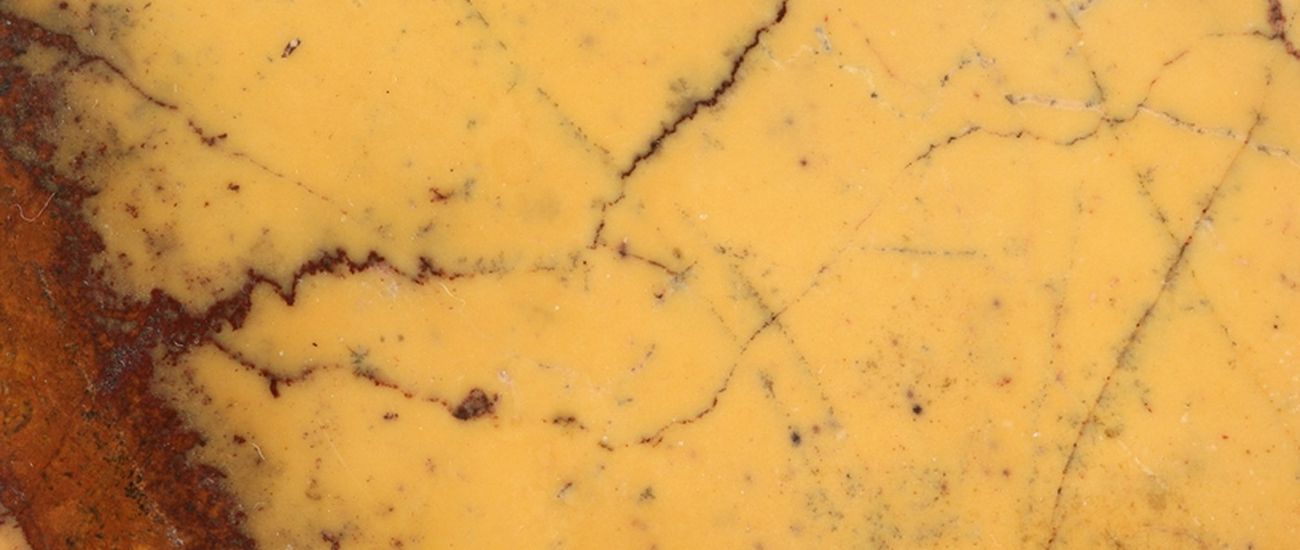
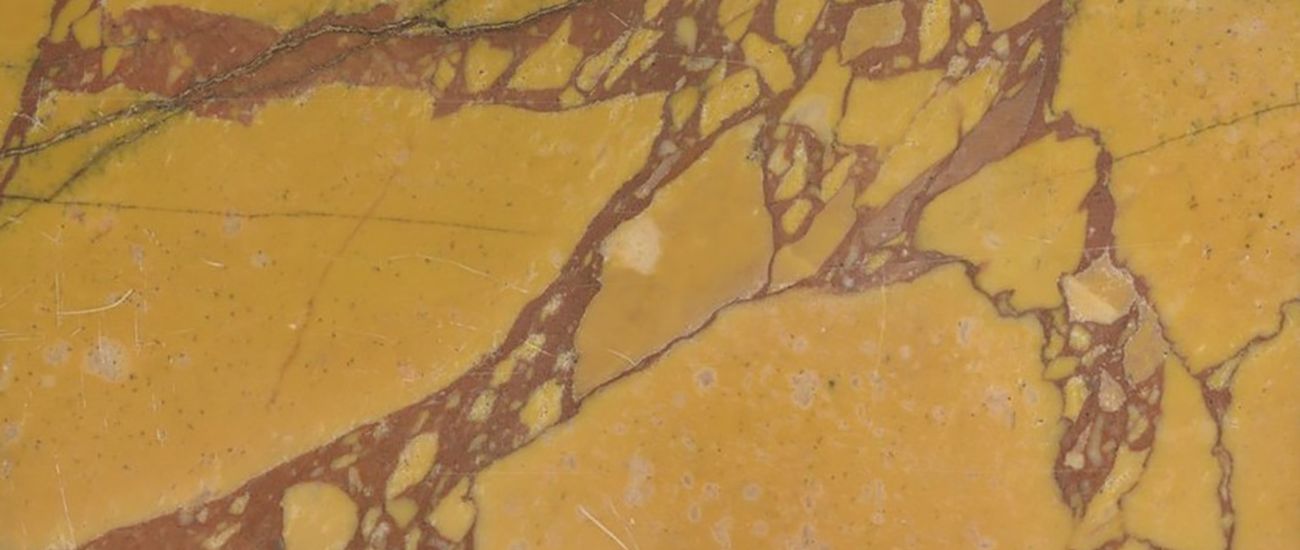
Tunisian Yellow Marble is a sedimentary rock classified as a ‘Limestone’ known for its striking golden hues that range from deep yellow to almost white. This natural stone often features reddish or brown veins, and in some cases, a brecciated texture.
Aesthetic Qualities and Usage Areas
Highly prized for its beauty and durability, Tunisian Yellow Marble was extensively used for exterior cladding of buildings, columns, sculptures, and other decorative elements. Romans used this stone to adorn imperial monuments and buildings, both private and public, temples, and basilicas. Its aesthetic appeal made it a sought-after material.
Notable examples of Tunisian Yellow Marble can be found in artifacts from the Roman period housed in museums. In Istanbul, it was used as wall cladding and flooring in the interior of Hagia Sophia.
_276x160.jpg)