_1400x600.jpg)
_1400x600.jpg)
_1400x600.jpg)
_1400x600.jpg)
_1400x600.jpg)
_1400x600.jpg)
Item 1 of 6
Properties
Properties of the Building
Architect(s)
Mimar Hayreddin
Construction Date
1505?
The tomb of Sultan Bayezid II was commissioned to be built on the mihrab axis of the Bayezid Mosque by his son Yavuz Sultan Selim.
Architectural Features
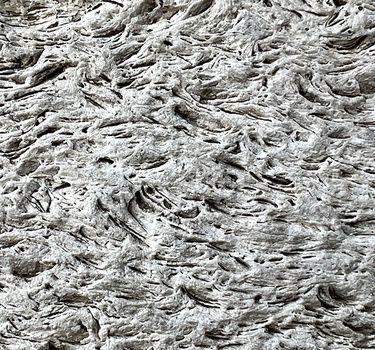
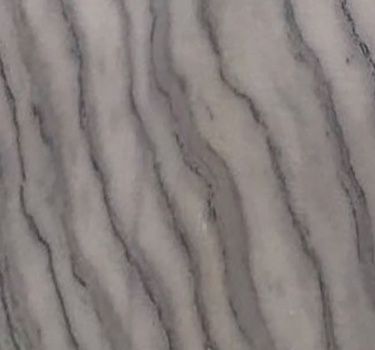
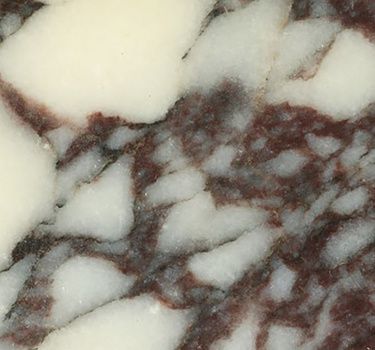
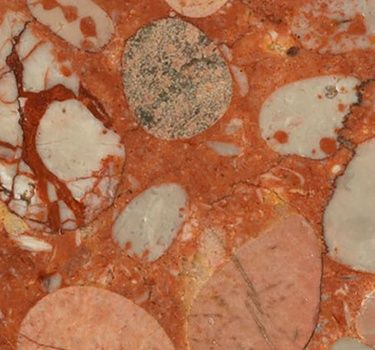
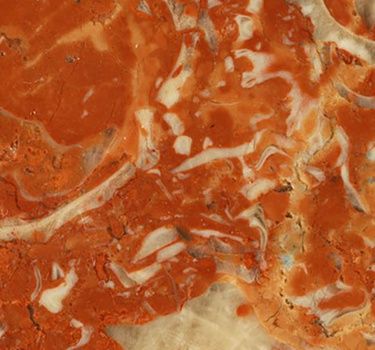
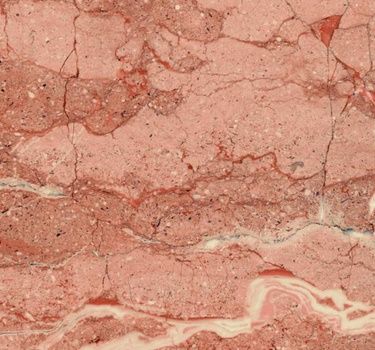
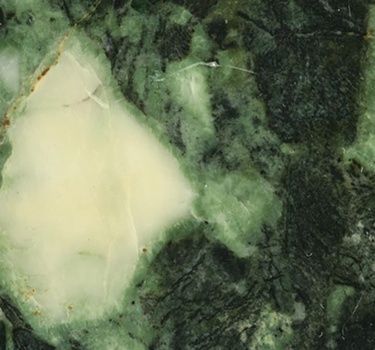
The octagonal tomb, with each side measuring 5.35 metres, is made of limestone and covered by an 11.5-metre-diameter dome resting on a blind drum. Each façade features two windows, arranged one above the other. The entrance portico of the tomb has three arches, with colorful stones at each side. The surfaces are animated by frames separated by large, deep mouldings. Within the frames are two additional frames, made with green stone.
Interior
Evliya Çelebi describes the tomb with the following words: 'The tomb of the blessed sultan, where he rests, is covered with pure raw marble and pure lead. The surroundings of his illuminated tomb resembles the garden of Rıdvan, a paradise garden.’ (Rıdvan is an angel in Islamic belief who guards the entrance to heaven.) The tomb is adorned with intricate carvings, with sliding door panels also decorated with gilded metal cabochons. The interior features pen-drawn decorations in the late Baroque style.
The entry hall with wide eaves was likely built toward the end of the 18th century to replace an earlier, similar structure. Above the door arch which is built with two-colored stones, the basmala is placed on the inscription field.
References
Ayvansarâyî, Hüseyîn Efendi, Alî Sâtı Efendi, and Süleyman Besîm Efendi. (2001). Hadîkatü’l-Cevâmi: İstanbul Câmileri ve Diğer Dinî-Sivil Mi‘marî Yapılar, Edited by Ahmed Nezih Galitekin, İşaret Yayınları, İstanbul, p. 53.
Eyice, Semavi. (1994). 'Bayezid Külliyesi', İstanbul Ansiklopedisi, Vol. 2, A joint publication of the Ministry of Culture and Tarih Vakfı, İstanbul, pp. 92–93.
Eyice, Semavi. (1995). 'Bayezıt II Camii ve Külliyesi', DİA, Vol. 12, İstanbul, pp. 244–249.
Kahraman, Seyid Ali, and Dağlı, Yücel. (2003). Günümüz Türkçesiyle Evliya Çelebi Seyahatnâmesi, Vol. 1, Book 1, Yapı Kredi Yayınları, İstanbul, p. 107.
Kuban, Doğan. (2007). Osmanlı Mimarisi, YEM Yayın, İstanbul, pp. 207–208.
Natural Stones
Stones used in this building