Stoneline Publications’ third book: SELİMİYE
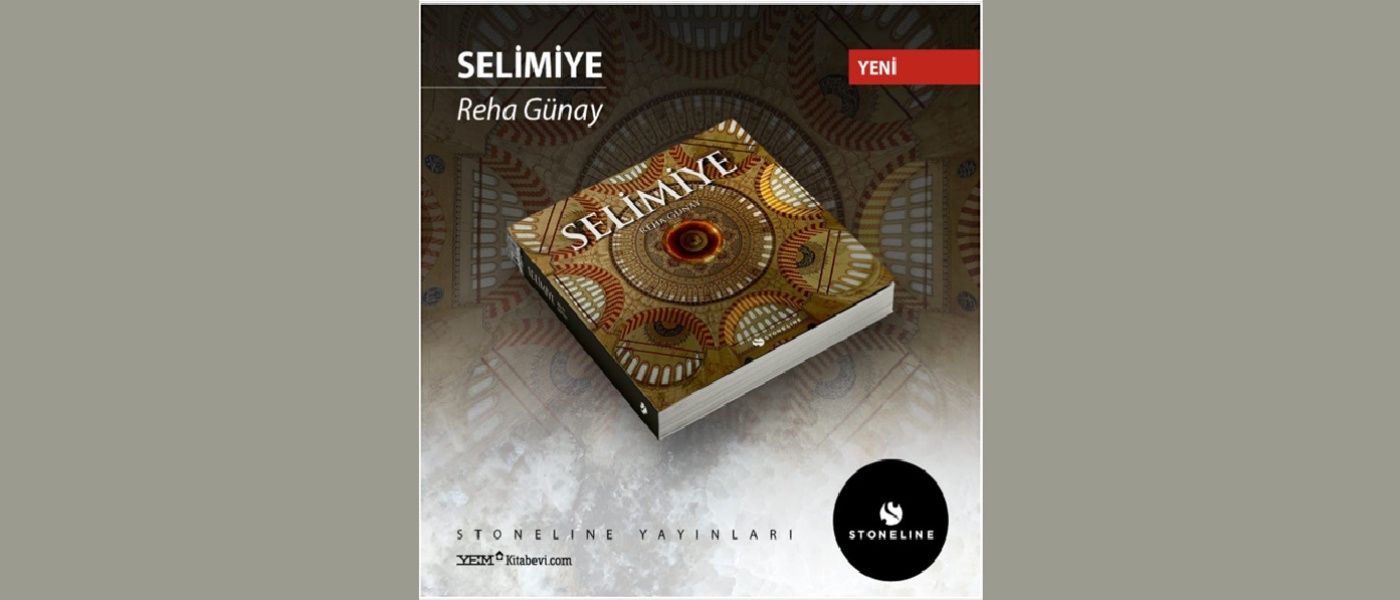
Stoneline Building Products, the leading brand in Turkey’s natural stone sector, continues its support for education, culture and the arts through its publishing initiatives. Selimiye, Stoneline Publications’ third book to reach readers, goes beyond merely describing Mimar Sinan’s masterpiece; it examines the design philosophy and engineering genius behind one of the most significant works of Ottoman architecture. Prof. Dr Reha Günay’s work, the result of extensive research, is also complemented by Dr O. Serkan Angı, who contributes by examining, one by one, the “Natural Stones Used in Selimiye”.
The story behind the book’s creation is just as fascinating as its subject matter. Prof. Dr Reha Günay’s first serious encounter with the Selimiye Mosque took place in 1968, during a visit to Edirne through an invitation from Prof. Doğan Kuban. Günay, who documented the building as part of his architectural photography work, continued his studies by visiting the Selimiye time and again over the years. Over the approximately 12-year period following his decision to write this book in 2013, he made countless observations, took photographs and conducted in-depth research into the building’s architectural composition. The resulting work took shape as the product of more than half a century of interest and a 12-year period of intensive research
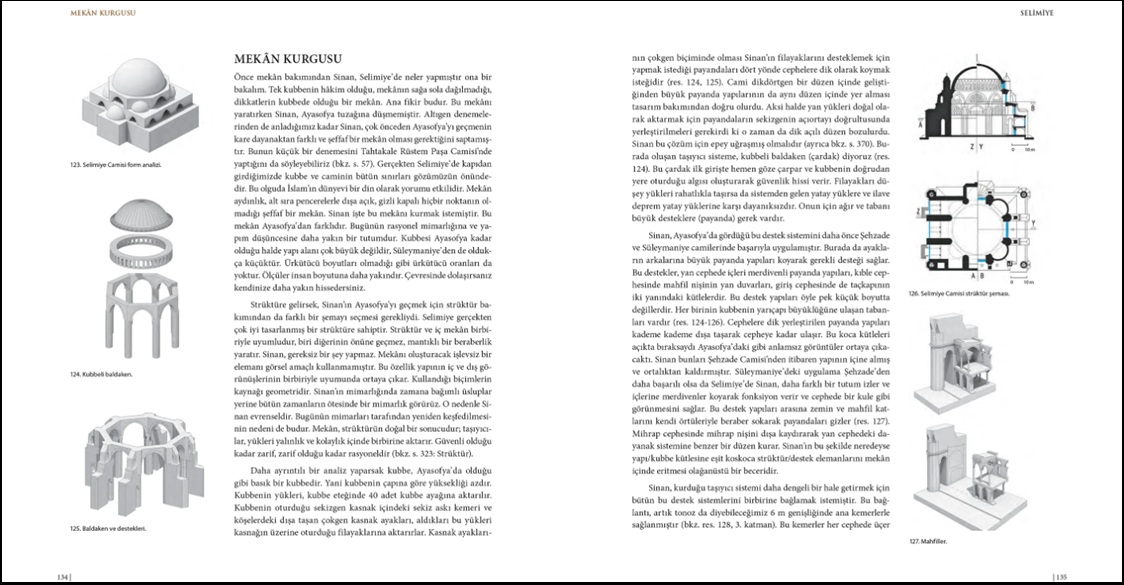
The book examines the Selimiye Mosque in terms of its historical and regional context, the relationship between its founder, Selim II, and Edirne, Mimar Sinan’s architectural journey leading up to the Selimiye, and the process of development within Ottoman mosque architecture. The architectural dialogue between the building and the Hagia Sophia, its construction phases, structural system, spatial organisation, ornamentation and use of materials are examined in separate chapters. In particular, numerous drawings have been produced to support the analyses, with the aim of explaining the building’s structural design.
The book also features original analyses of how Sinan addressed structure and space using graphic design methods that were in use during his time but have since been forgotten. A brief history of the methods developed by master builders, architects, and engineers from the Middle Ages onwards for the construction of domed structures is also shared with readers. The book presents technical topics in a language that is accessible not only to specialists but also to all readers with an interest in the subject. At the end of the book is the chapter ‘Natural Stones Used at Selimiye’, written by Dr O. Serkan Angı, a lecturer in the Department of Geological Engineering at Istanbul Technical University. This chapter makes a significant contribution to the study by examining the natural stones used in the structure from a scientific perspective. Angı discusses approximately 20 different types of stone, providing detailed information on each under separate headings.
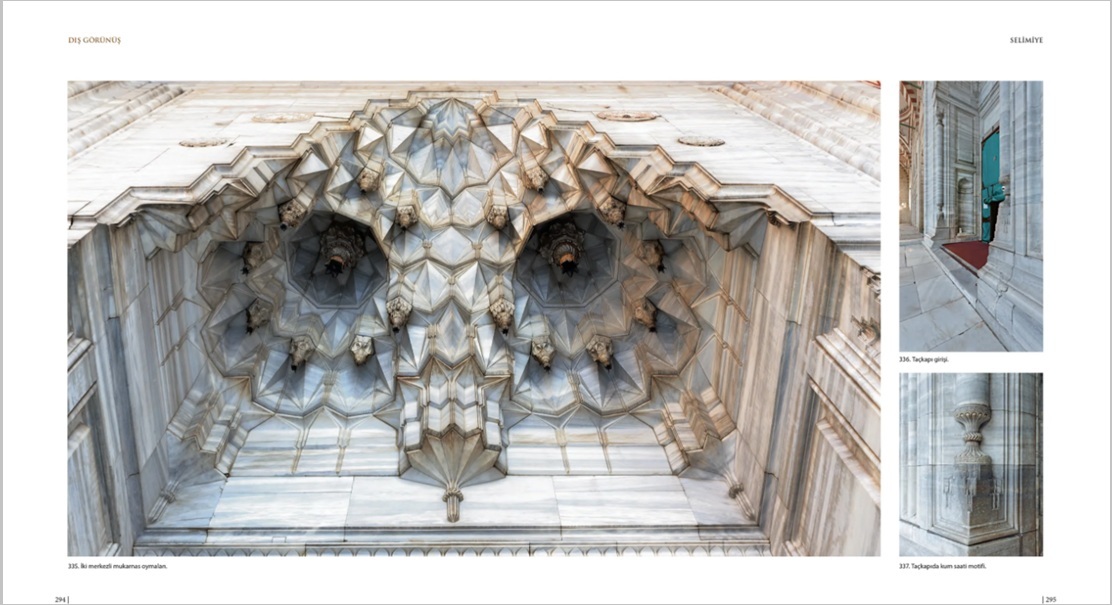
Accompanied by nearly 1,000 photographs and technical drawings, the book stands out as one of the most comprehensive sources published to date on the Selimiye Mosque, thanks to its thorough research, rich photographic archive, and the author’s commentary. Serving as a valuable reference work for architects, engineers, art historians, and academics, the book also stands out as a work that will appeal to a wider readership interested in cultural heritage, history, architecture, and the human stories behind great structures.
Edited by Gülçin İpek, the book’s graphic design was by Cem Günübek, the illustrations by Ömer Okan, and the copy-editing by Mecit Demir.
Recent News
Street unearthed in Aspendos
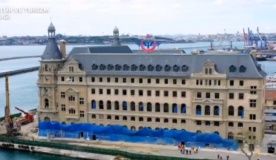
Restoration of Haydarpaşa Station continues
#Haydarpaşa Train Station #Lefke Stone (sandstone) #Hereke Granite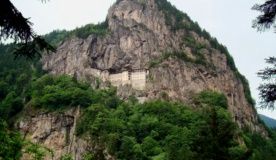
Sümela Monastery reopened to visitors
International Mustafa V. Koç Underwater Archaeology Symposium
#Prokonnesos quarry #Verde Antico #Marmor Docimium, Pavonazzetto, Afyon Violet
The Granikos Battlefield has been placed under protection
#Marmara marble #Prokonnesos marble #Granikos Battle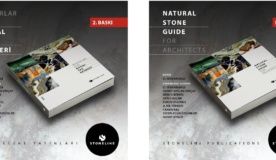
The Second Edition of Mimarlar İçin Doğal Taş Rehberi and the English Edition, Natural Stone Guide for Architects, Have Been Published
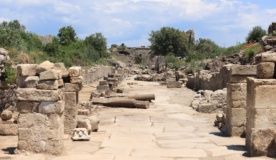
One of the main streets of Ancient Side has been unearthed
#conglomerate #Side Ancient City #Feriştah Alanyalı
The historic Yalı Pavilion is to be reconstructed
The theme of the Edirne Biennial: Bridges
A ‘stone hospital’ has been set up in Ephesus for the restoration of stones