Item 1 of 1
Properties
Properties of the Stone
Additional Names
Lapis Porphyrites, Porfido Rosso Antico
Color(s)
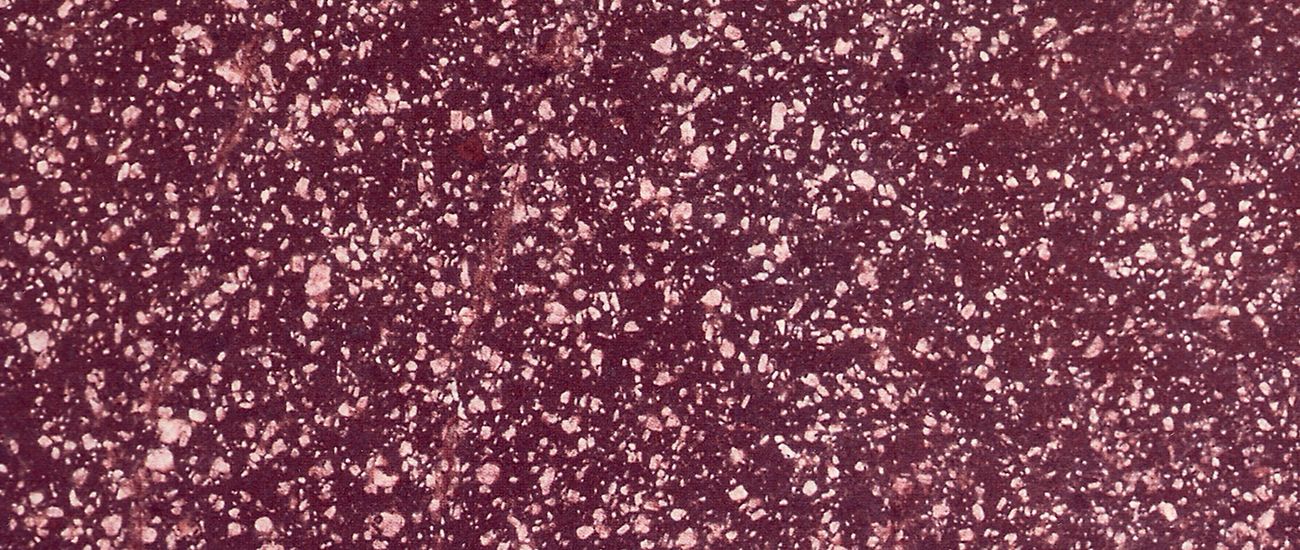
Red+White
Scientific Classification
Andesite Porphyry
Commercial Classification
Porphyry
Quarry Site
Gebel Duhan-Eastern Desert-Egypt
Quarry Status
Inactive
Quarry Location and Nomenclature
Egyptian Red Porphyry, renowned since ancient times for its imperial purple hue, was quarried in the area around Gebel Duhan (Smoke Mountain) in the Eastern Desert of Egypt between the 1st and 5th centuries. Classified as a volcanic rock with an ‘Andesite-Dacite Porphyry’ composition, it is distinguished by its durability and large crystals. Known as ‘Mons Porphyrites’ during the Roman Empire and referred to by Italian stonemasons as ‘Porfido Rosso Antico,’ this stone was highly prized for both its aesthetic and symbolic value.
Cultural Significance
While it also available in green and black, red-purple has been valued throughout history for its association with wealth and power. It was extensively used in ancient architectural structures, sculptures, and artistic works, frequently appearing in columns, statues, and flooring of significant buildings and monuments across civilizations.
Use in Roman and Ottoman Architecture
This highly aesthetic stone was employed in various public buildings in Rome. During the Ottoman period, it is referenced in the construction records of the Süleymaniye Mosque as ‘kızıl serçe gözi’ (red sparrow eye) and is also noted as ‘Somaki’ (Soma Marble) in other sources.
_276x160.jpg)
_276x160.jpg)
_276x160.jpg)
_276x160.jpg)
_276x160.jpg)

_276x160.jpg)