_1400x600.jpg)
_1400x600.jpeg)
_1400x600.jpg)
_1400x600.jpg)
_1400x600.jpeg)
_1400x600.jpg)
_1400x600.jpeg)
_1400x600.jpeg)
Item 1 of 8
Properties
Properties of the Building
Architect(s)
Mimar Hayreddin / Ya‘kūb Şāh b. Sultan Şāh
Construction Start
1500
Construction Completion
1505
About the Architect and Completion Date
Bayezid Mosque is located in the central area of old İstanbul, occupying a corner of what was once the largest square of the Byzantine period, known as the Forum Theodosiacum or Forum Tauri. Commissioned by Sultan Bayezid II in the early 16th century, the mosque is the focal point of an extensive complex that includes a tomb, a soup kitchen, a primary school, guest houses, a madrasa, a bathhouse, and a caravanserai.
There are two different opinions about the construction date and architect of the mosque. The common opinion is that the architect was Hayreddin and the mosque was built between July 1501 and 1505. According to another information, based on a manuscript, construction started on 27 October 1500, and was completed on 13 October 1505. The architect was Ya‘kūb Şāh b. Sultan Şāh, with his assistant architects Ali b. Abdullah and Yûsuf b. Papas, and the building supervisor was Mirlivâ Mustafa Bey.
Architectural Features
The mosque features a square plan, supported by two pillars and four impressive arches that carry its central dome, which has a diameter of 16.8 metres and rises to a height of 44 metres. The main prayer hall is covered by the main dome, supported by two semi-domes along the qibla axis. The side areas each consist of four sections, topped by smaller domes.
The mosque's columns, adorned with intricate muqarnas capitals, contribute to its rich decoration. The sultan's loge is supported by ten spolia (devşirme) columns and features a lattice railing. The mihrab, minbar, and the muezzin’s platform, as well as the women's gallery, showcase meticulous stone craftsmanship.
Although the two single-balcony minarets of the mosque were built adjacent to the guesthouses on the right and left, these spaces were later included in the mosque and expanded it on both sides.
Janissary and Guild of Artisans (Ehl-i Hiref)
The construction involved significant contributions from the local Janissary community, with the metal grilles for the windows cast by the Artillery Corps (Topçular Ocağı). The intricate decorations were created by the artisans of the Ehl-i Hiref guild, and the chandelier chains were manufactured by Derviş Mehmed.
Complex
The Bayezid Complex is spread across a large area, consisting of a tomb, a soup kitchen-imaret, a children's school, stables, a madrasa, a bathhouse, and a caravanserai. After the 17th century, the mosque and its complex became surrounded by rows of shops and marketplaces.
Earthquakes and Repairs
The mosque features one of the most balanced and beautiful courtyards in Ottoman architecture, along with a portico design that closely reflects Renaissance architectural principles. However, the dome collapsed in 1509, prompting the addition of iron braces to support two of the main arches, while one of the semi-domes was constructed from wood. The structure also suffered damage in the 1766 earthquake.
In Evliya Çelebi
According to Evliya Çelebi, there was a large outer courtyard around the Bayezid Mosque in the 17th century. The open-air fountain pool was covered by a dome resting on eight columns placed by Sultan Murad's mandate (1623-1640).
References
Ayvansarâyî Hüseyîn Efendi, Alî Sâtı Efendi, and Süleyman Besîm Efendi. (2001). Hadîkatü’l-Cevâmi, İstanbul Câmileri ve Diğer Dinî-Sivil Mi'marî Yapılar, Edited by Ahmed Nezih Galitekin, İşaret Yayınları, pp. 52–53.
Ayyıldız, Hakkı Raif. (1994). 'Bayazıd Camii', Dünden Bugüne İstanbul Ansiklopedisi, A joint publication of the Ministry of Culture and the History Foundation, Vol. 2, pp. 2229–2235.
Eyice, Semavi. (1992). 'Bayezid II Camii ve Külliyesi', DİA, Vol. 6, pp. 45–49.
Kahraman, Seyid Ali, and Yücel Dağlı. (2003). Günümüz Türkçesiyle Evliya Çelebi Seyahatnamesi. Vol. 1, Book 1, Yapı Kredi Yayınları, pp. 106–110.
Kuban, Doğan. (2007). Osmanlı Mimarisi. YEM Yayınları, pp. 201–207.
Meriç, Rıfkı Melûl. (1958). “Beyazıd Câmii Mimârı”, AÜ İlâhiyat Fakültesi Yıllık Araştırmalar Dergisi, No. 2, pp. 5–77.
Necipoğlu, Gülru. (2013). Sinan Çağı: Osmanlı İmparatorluğu’nda Mimari Kültür, İstanbul Bilgi Üniversitesi Yayınları, pp. 115–116.
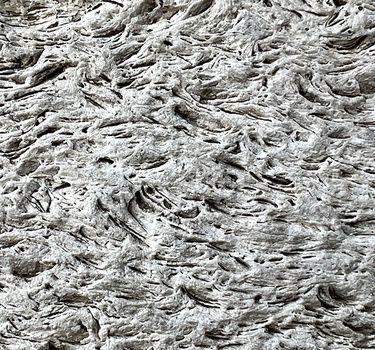
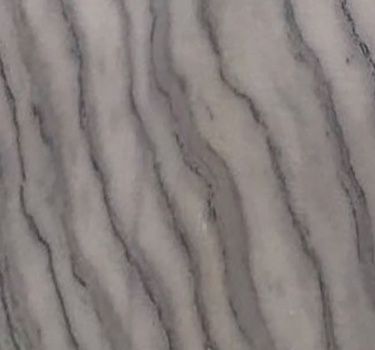
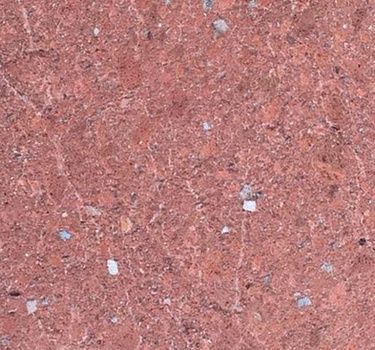
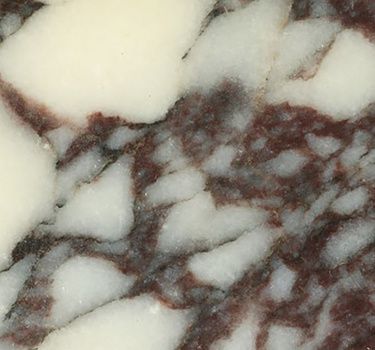
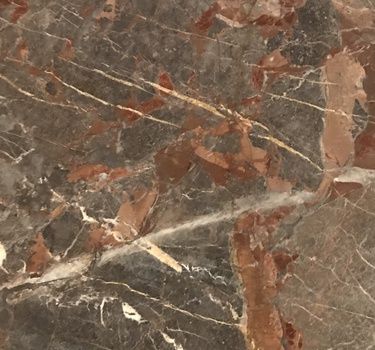
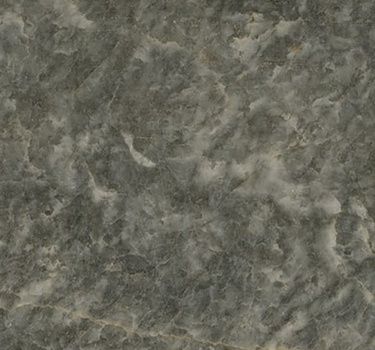
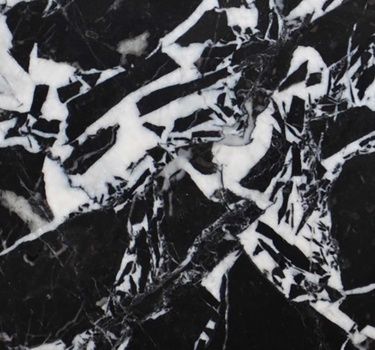
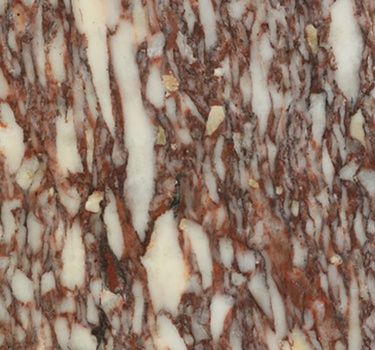
Natural Stones
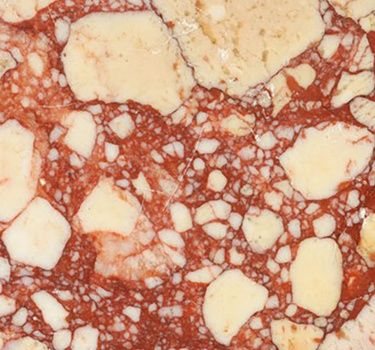
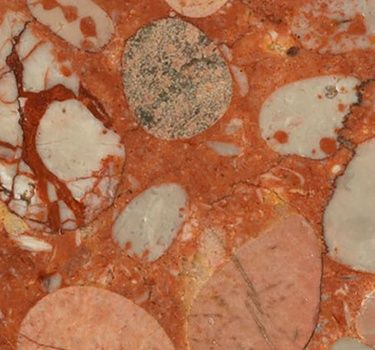
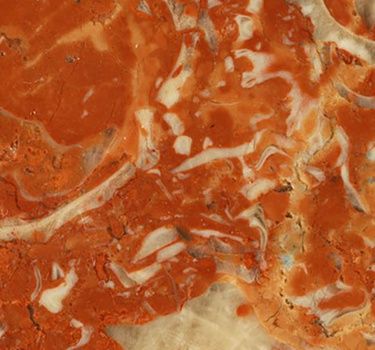
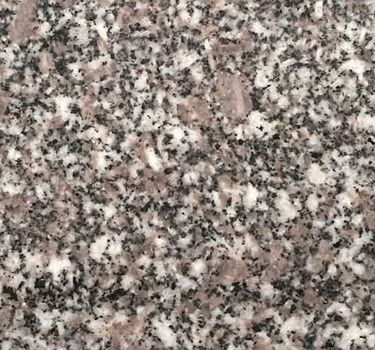
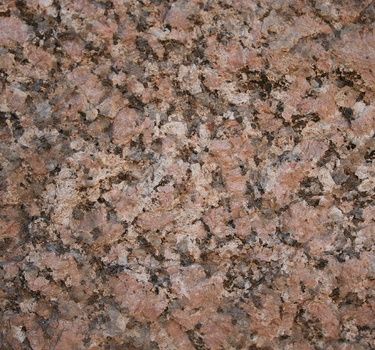
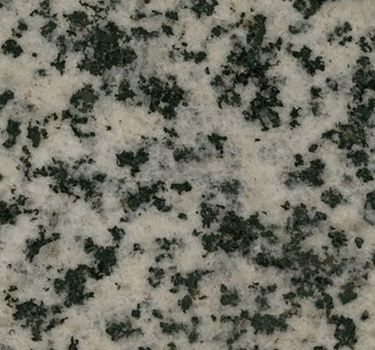
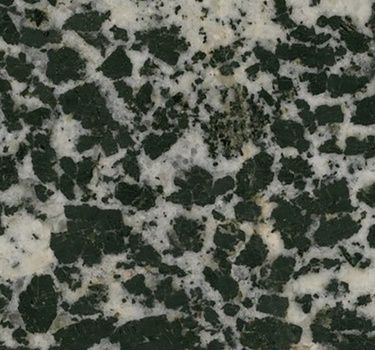
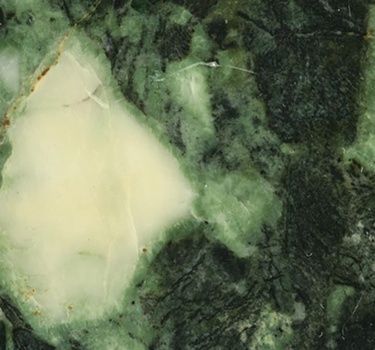
Stones used in this building