1,500-Year-Old Smyrna Statue Head Returns to Turkey
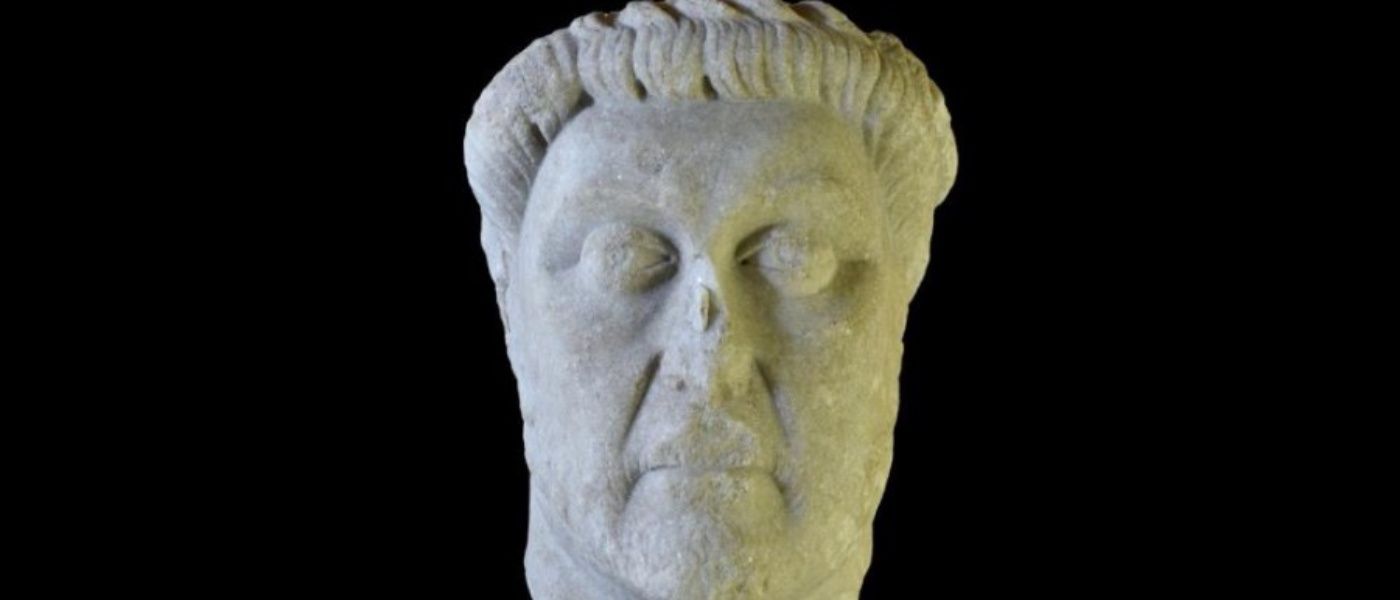
The artefact, which is part of the Denver Art Museum’s collection, was confirmed to have been discovered during the Smyrna Agora excavations but illegally removed from the country following scientific analyses, archival research, and documentary evidence; it has now been returned to its rightful homeland following diplomatic and academic efforts.
According to information shared by the Ministry of Culture and Tourism, the artefact was donated to the Denver Art Museum collection in 1989 from the estate of Marie Thérèse Macy. It has been established that Macy was the wife of Clarence Edward Macy, who served as the US Consul General in Istanbul between 1946 and 1948. The artefact’s origin was identified through archaeological reports dating from 1934 and expert analyses, whilst it was also revealed that it had been illegally removed from the country.
A work from the workshops of Smyrna
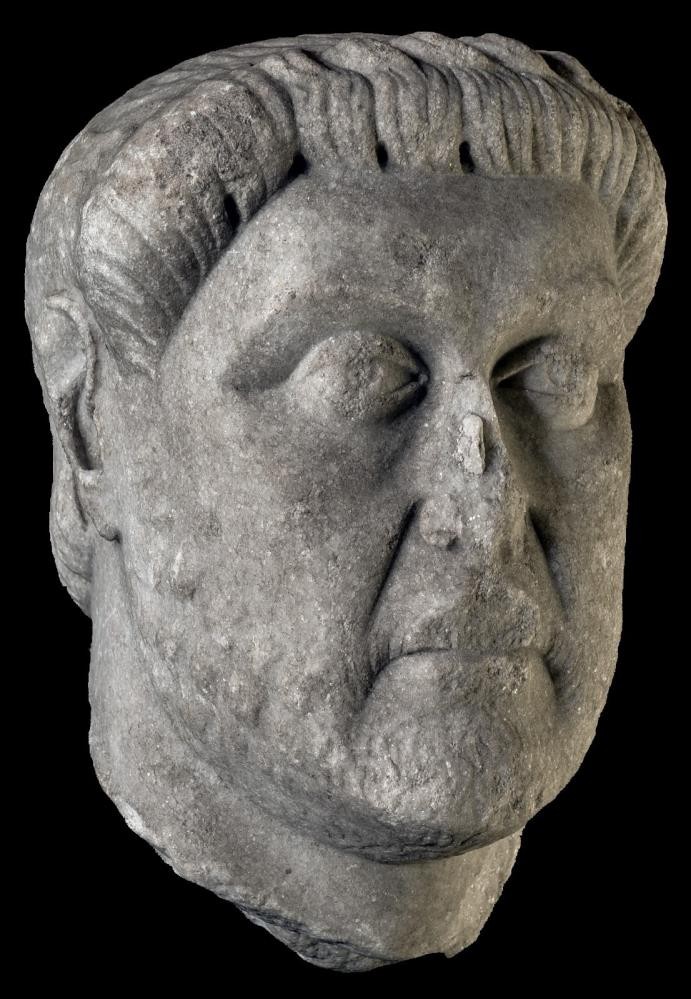
The marble sculpted head, approximately 25 centimetres in height, dates to the second half of the 5th century AD. Described as a portrait of a man with a short beard, the work reveals that the details of the hair and eyebrows were carved with a chisel, whilst the pupils were defined by drill marks. Noted for its powerful facial expressions, the marble head—identified as belonging to the Theodosius period—is believed to have been carved from white marble of Anatolian origin and to be the product of a workshop operating in the Ephesus-Smyrna region.
The sculpture is carved from white marble, a material commonly used in Classical-period sculpture. Scientific studies and methods, such as isotope analysis, have confirmed that the marble originates from Anatolia. It is known that similar-quality stone, sourced from local or nearby marble quarries (such as those associated with centres like Ephesus or Aphrodisias), was also used in other sculptures and marble objects found during excavations in Smyrna (particularly at the Agora Basilica). This sculpted head is an important example reflecting the artistic style of the 5th century AD (Late Roman/Early Christian period) and Anatolian marble craftsmanship.
International Success for Cultural Heritage
The return of the marble sculpture head originating from Smyrna has been recorded as a further success of the effective policy Turkey has pursued in recent years against the illicit trafficking of cultural heritage. Experts note that the increased openness of museums and private collections to voluntary return processes has created significant awareness in favour of Turkey on the international stage. The return process was successfully completed as a result of constructive cooperation with the Denver Art Museum. The historical artefact, brought to Turkey under the coordination of the Ministry of Foreign Affairs, has been put on display at the İzmir Archaeology Museum, taking into account its origins and historical context.
Source: Tarih Arşivi and Fatma Sevinç Çetin’s AA news
Photos: Ministry of Culture and Tourism/ AA
Recent News
Street unearthed in Aspendos
Restoration of Haydarpaşa Station continues
#Haydarpaşa Train Station #Lefke Stone (sandstone) #Hereke Granite
Stoneline Publications’ third book: SELİMİYE

Sümela Monastery reopened to visitors

International Mustafa V. Koç Underwater Archaeology Symposium
#Prokonnesos quarry #Verde Antico #Marmor Docimium, Pavonazzetto, Afyon Violet
The Granikos Battlefield has been placed under protection
#Marmara marble #Prokonnesos marble #Granikos Battle
The Second Edition of Mimarlar İçin Doğal Taş Rehberi and the English Edition, Natural Stone Guide for Architects, Have Been Published
One of the main streets of Ancient Side has been unearthed
#conglomerate #Side Ancient City #Feriştah Alanyalı
The historic Yalı Pavilion is to be reconstructed
The theme of the Edirne Biennial: Bridges