"Building community" exhibition opens in Berlin on February 10.
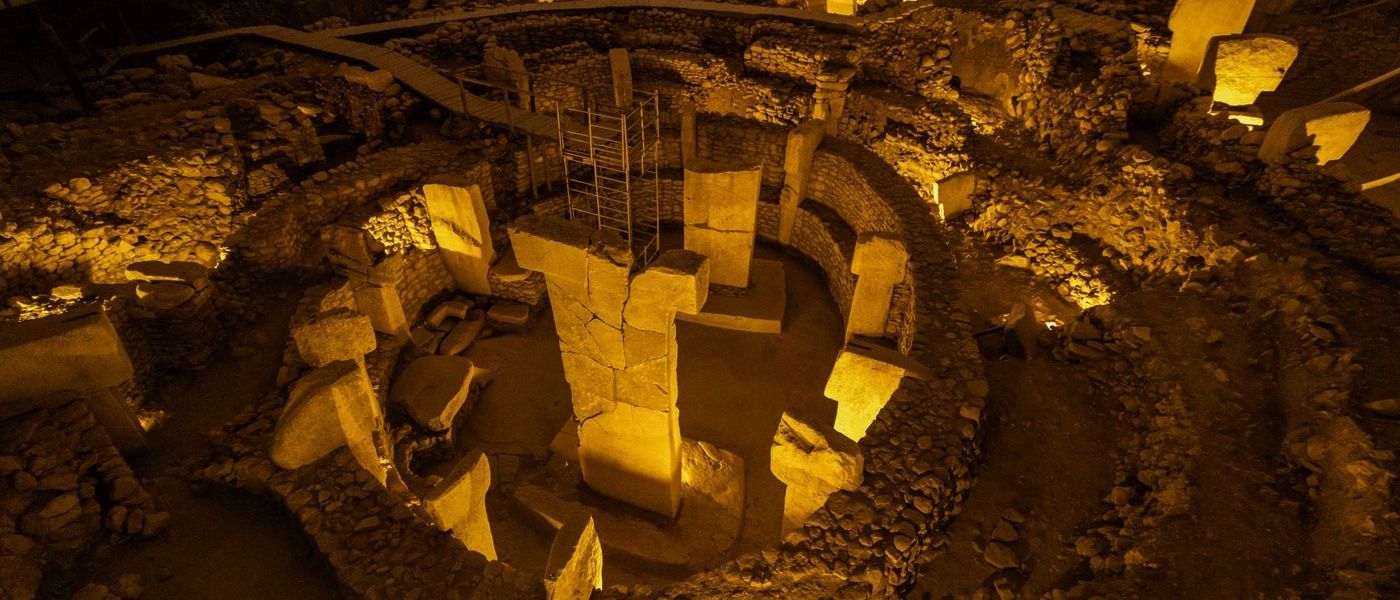
The exhibition “Building community. Göbeklitepe, Taş Tepeler, and life 12,000 years ago” prepared in collaboration between the Turkish Ministry of Culture and Tourism and the Berlin State Museums, opens its doors to the place where human history began, on February 10, 2026, in Berlin. 89 pieces and 4 replicas selected from Şanlıurfa Museum collection will be on display, with 44 pieces being shown for the first time ever.
Photo: Göbeklitepe, Building C © Yusuf Aslan Source: Staatliche Museum zu Berlin Preussischer Kulturbesitz
With the special exhibition “Building community. Göbeklitepe, Taş Tepeler, and life 12,000 years ago” the Vorderasiatisches Museum is focusing on art and sculptures from the first settled cultures in the south-east of present-day Türkiye. There, people erected monumental stone structures and populated them with spectacular stone sculptures. Curated in collaboration with Turkish archaeologists, the exhibition presents the sculptures, many of which are being shown abroad for the first time, together with architectural reconstructions, media, and photos by Spanish photo artist Isabel Muñoz.
The sculptures bear witness to the complex spiritual world of early sedentary cultures. They contributed to the affirmation and order of communities in the context of rituals and festivals. A vibrant community was the key to the survival and resilience of early sedentary cultures. Recent research in Göbeklitepe and other sites of the “Taş Tepeler” project sheds new light on the social processes at the beginning of sedentarism. The connection between people, their ancestors, animals, and the spiritual world permeates life. The connecting theme of the exhibition is therefore “community” – looking at how community is formed, functions, and is held together at the beginning of sedentarism, and how community can be an important factor in resilience under changing conditions.
The exhibition is divided into eight sections and shows the artistic expression of early settled communities in various areas of life, from birth to everyday life to death. The images invite visitors to immerse themselves in the world of prehistoric cultures. Films, pictures, and reconstructions provide further background information. In addition, the archaeologicaland scientific presentation is accompanied by contemporary interpretations by Spanish photo artist Isabel Muñoz. Her photographs offer the opportunity to explore the symbolic world of the last hunters from a unique perspective.
“Built community. Göbeklitepe, Taş Tepeler, and life 12,000 years ago” is a cooperation between the Vorderasiatisches Museum, the Şanlıurfa Archaeological Museum, and the “Taş Tepeler” research project at Istanbul University, with the participation of the Deutsches Ärchäologisches Institut. The exhibition is based on the latest findings of a joint international research project involving Turkish scientists working with colleagues from the Vorderasiatisches Museum in Germany and colleagues from Japan, Italy, and England. The exhibition presents a selection of archaeological exhibits from the Şanlıurfa Museum that have never before been shown outside Türkiye, together with architectural models, media, and images.
A comprehensive program of events featuring artist talks, lectures, and guided tours accompanies and complements the exhibition. The exhibition is accompanied by a publication entitled “Built community: Göbeklitepe, Taş Tepeler, and life 12,000 years ago“, published by Kulturverlag Kadmos, and available in three editions in German, Turkish, and English. It contains an overview of the exhibition as well as essays by some of the researchers involved.
The exhibition is being organised in cooperation with the Ministry of Culture and Tourism of the Republic of Türkiye, General Directorate of Cultural Heritage and Museums, and the German Archaeological Institute Istanbul. It is made possible with funding from the Deutsche Stiftung Klassenlotterie, the Kuratorium (Board of Trustees) of the Stiftung Preußischer Kulturbesitz, the Freunde der Antike auf der Museumsinsel e.V. and Turkish Airlines.
@ Museumsinsel Berlin, James-Simon-Galerie
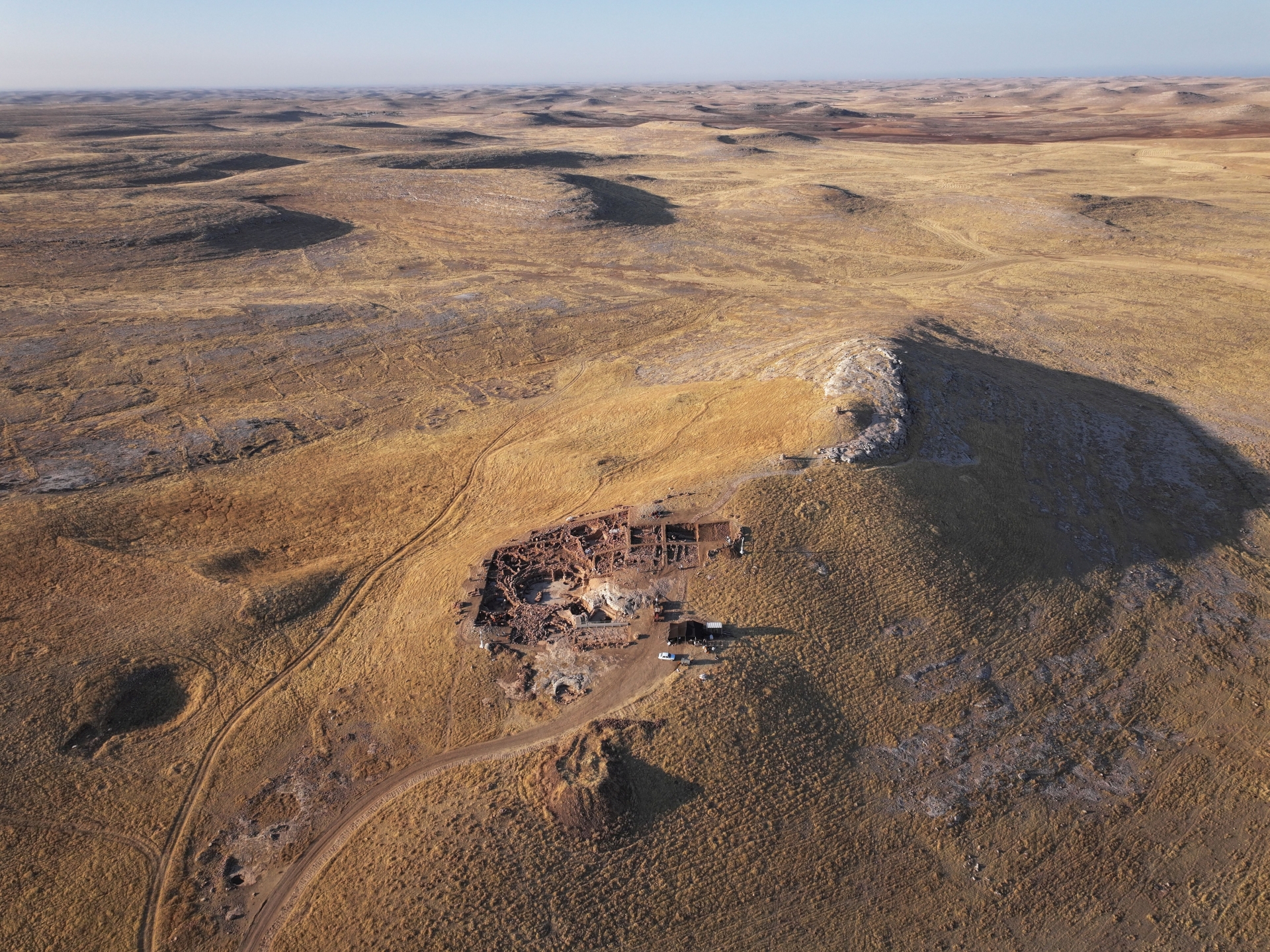
Building Community. Göbeklitepe, Taş Tepeler and life 12,000 Years ago
Around 12,000 years ago, the current warm period, known as the Holocene, began. This change in the climate marked the beginning of the New Stone Age: the Neolithic. During this time, human life transformed fundamentally, especially in Southwest Asia. Mobile hunter-gatherer groups started to settle in one place for longer periods, becoming sedentary, and hunting animals and gathering wild plants locally. Gradually, this interaction with the surrounding environment resulted in the cultivation of plants and the domestication of animals. Settled life also fostered significant population growth, and brought about new social structures visible in the archaeological record. Key features of this new way of life were community gatherings. The groups erected monumental underground buildings for this purpose, a huge communal endeavour. Engraved T-shaped pillars working as supporting elements and stone sculptures filled the buildings’ inner spaces. Here, people gathered surrounded by a rich imagery showing human figures, animals, hunting, and cult scenes, witnessing to the ritualistic nature of these gatherings. In the Şanlıurfa region, early communities built with locally available limestone, which is why the architecture and artworks are exceptionally well preserved there.
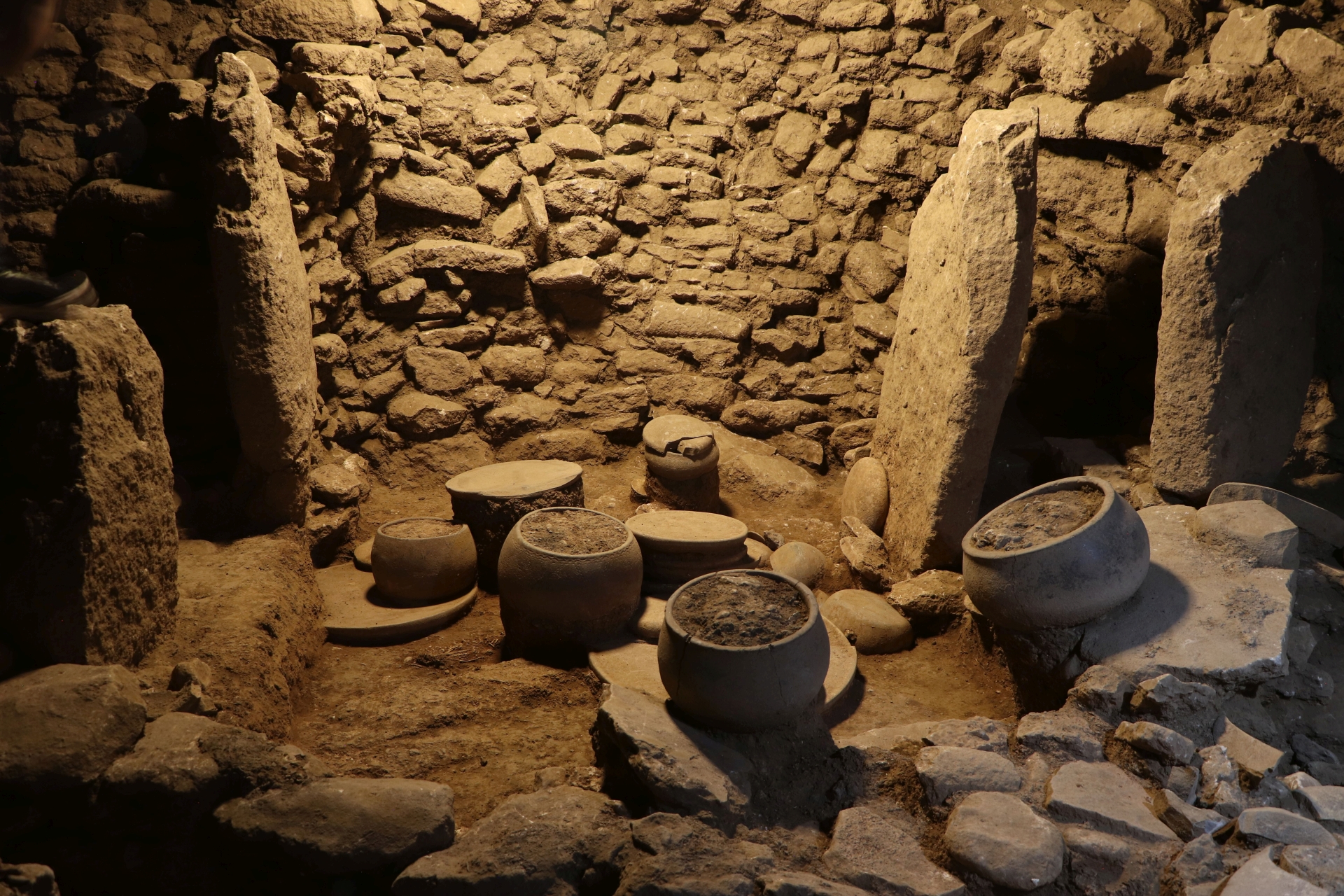
Buildings
The Neolithic communities in the Şanlıurfa region built monumental structures from local limestone within their settlements. These buildings were dug deep into the ground and resembled caves, with almost no natural light illuminating their interior. A side entrance or an opening in the roof provided access to the buildings. In the centre of the main room, two large T-shaped pillars stood as central supports for the roof. With their arms at their sides and their hands clasped in front, these pillars resemble an abstract human form. Smaller pillars stood along the outer walls and were often covered with images of animals in relief. The flickering oftorches created the illusion of movement. The construction of these buildings and the erection of the pillars required a large workforce. Huge quantities of soil had to be moved, and each monolithic T-pillar weighed several tonnes. Groups gathered in the pillar buildings for rituals and festivals. These fostered the social order and reinforced cohesion. Perhaps some participants carried miniature pillars with them as mementos. The monumental buildings were repaired several times. The walls were reinforced from the inside when the pressure from the surrounding soil increased. Before they were abandoned, the buildings were filled with stones and soil, and buried in a symbolic way. (Source: Exhibition Texts)
Recent News
Street unearthed in Aspendos

Restoration of Haydarpaşa Station continues
#Haydarpaşa Train Station #Lefke Stone (sandstone) #Hereke Granite
Stoneline Publications’ third book: SELİMİYE
Sümela Monastery reopened to visitors

International Mustafa V. Koç Underwater Archaeology Symposium
#Prokonnesos quarry #Verde Antico #Marmor Docimium, Pavonazzetto, Afyon Violet
The Granikos Battlefield has been placed under protection
#Marmara marble #Prokonnesos marble #Granikos Battle
The Second Edition of Mimarlar İçin Doğal Taş Rehberi and the English Edition, Natural Stone Guide for Architects, Have Been Published
One of the main streets of Ancient Side has been unearthed
#conglomerate #Side Ancient City #Feriştah Alanyalı
The historic Yalı Pavilion is to be reconstructed
The theme of the Edirne Biennial: Bridges