Five statues unearthed in Perge
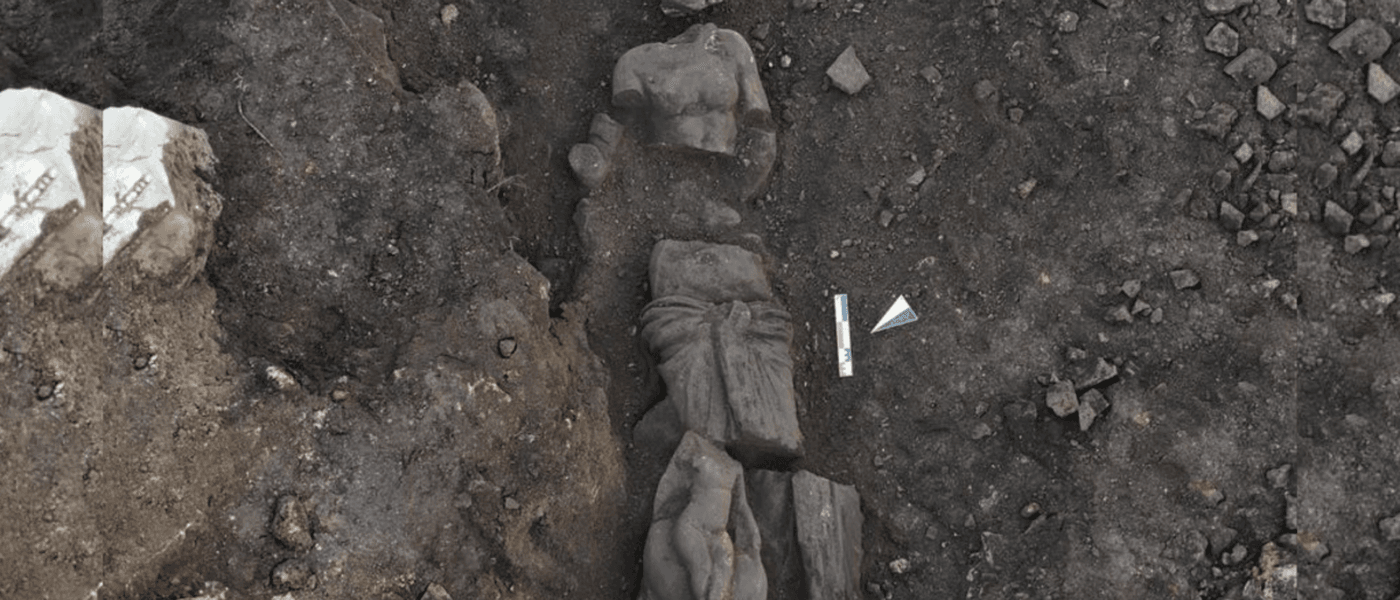
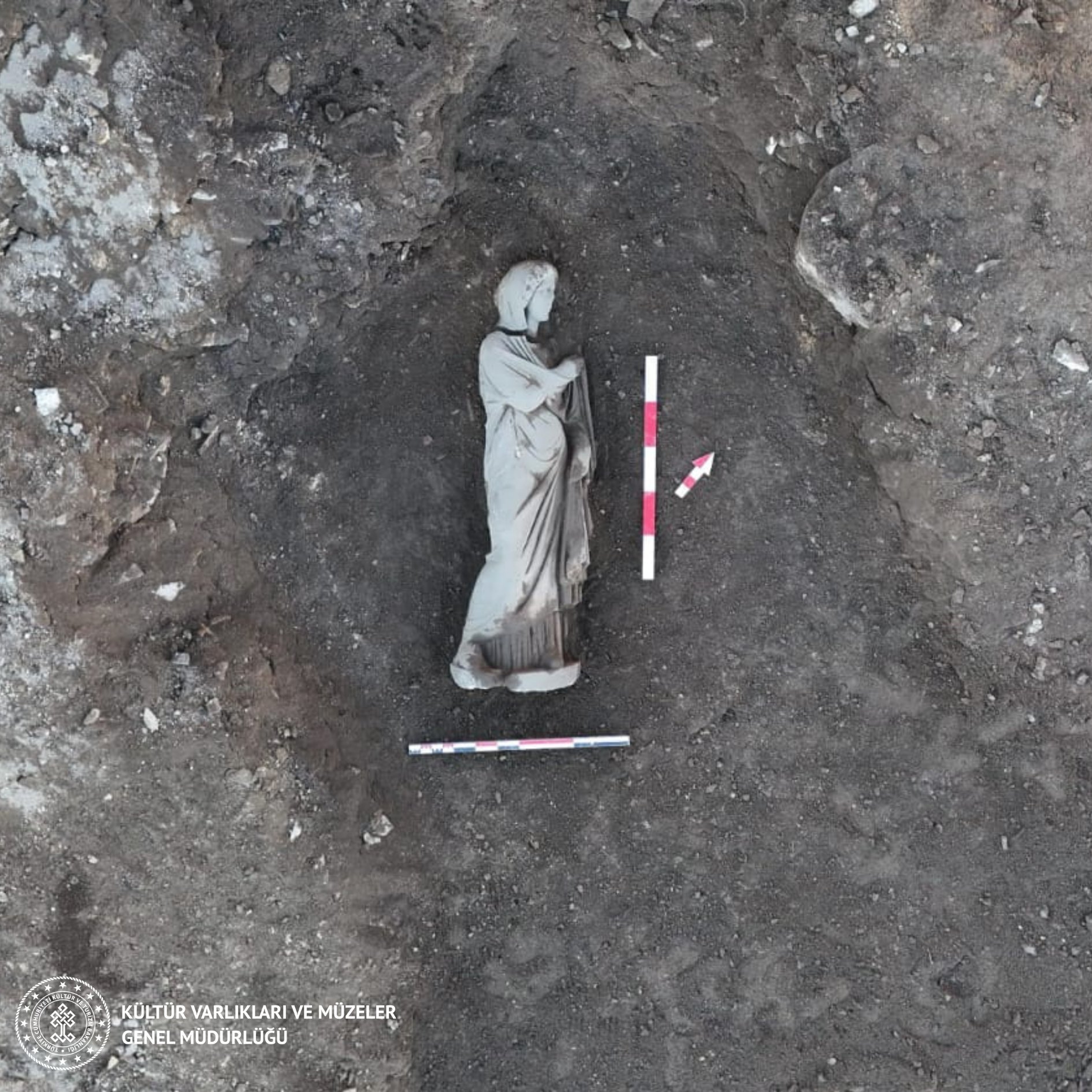
Excavations in various parts of Perge have unearthed five exceptionally masterfully carved statues that reflect the city's artistic richness in antiquity. One of the most striking pieces in the discovery is a statue of Aphrodite, approximately two meters high.
The statue depicts the goddess of love and beauty in a graceful pose, combined with the figure of the god Eros sitting on a dolphin at its base. Initial analysis indicates that it is a Roman copy dating from the 2nd century AD, a period when Perge flourished under Roman rule. Alongside Aphrodite, archaeologists also uncovered another female statue, 1.87 meters high, dressed in a draped tunic, exhibiting stylistic features specific to the Severan Dynasty (193–235 AD).
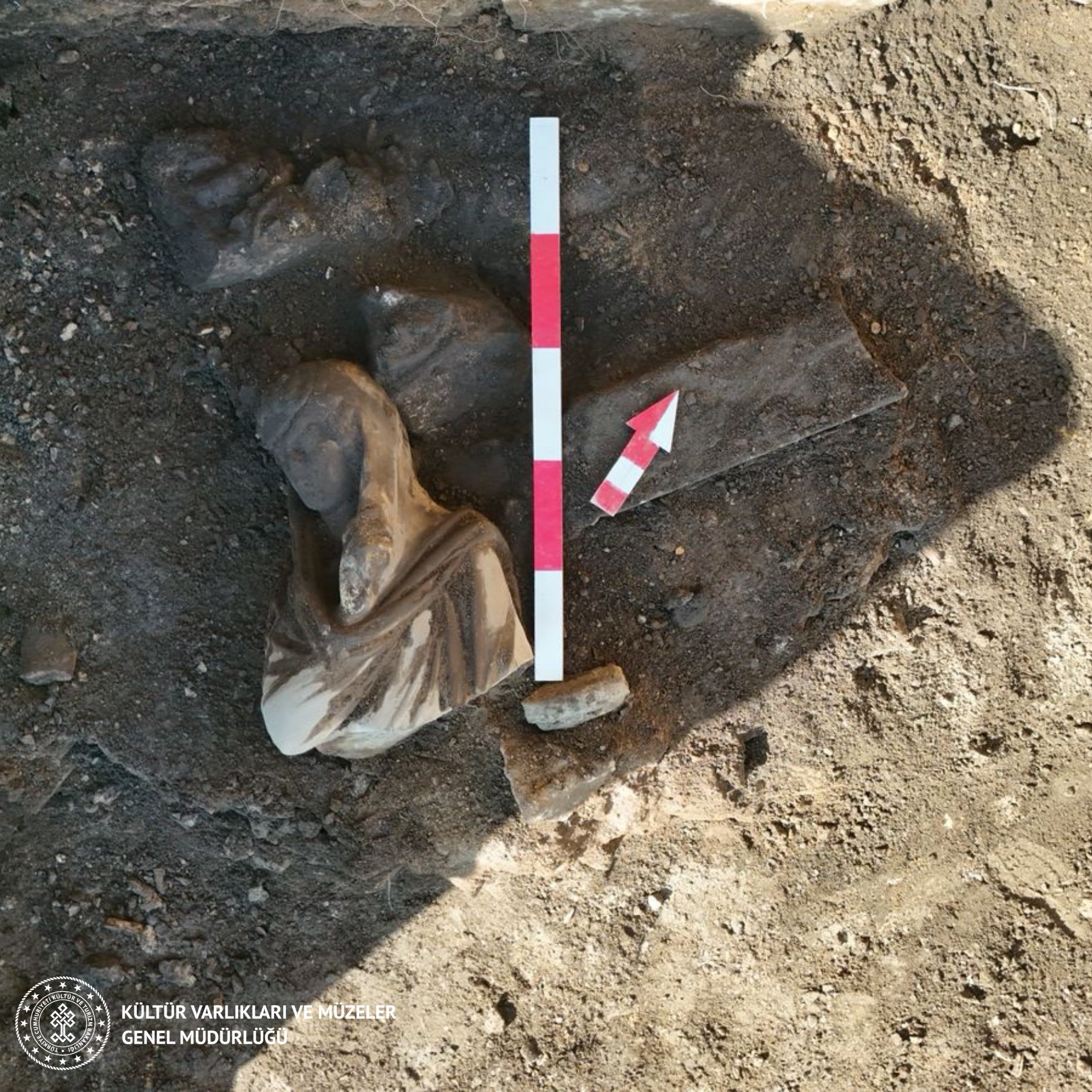
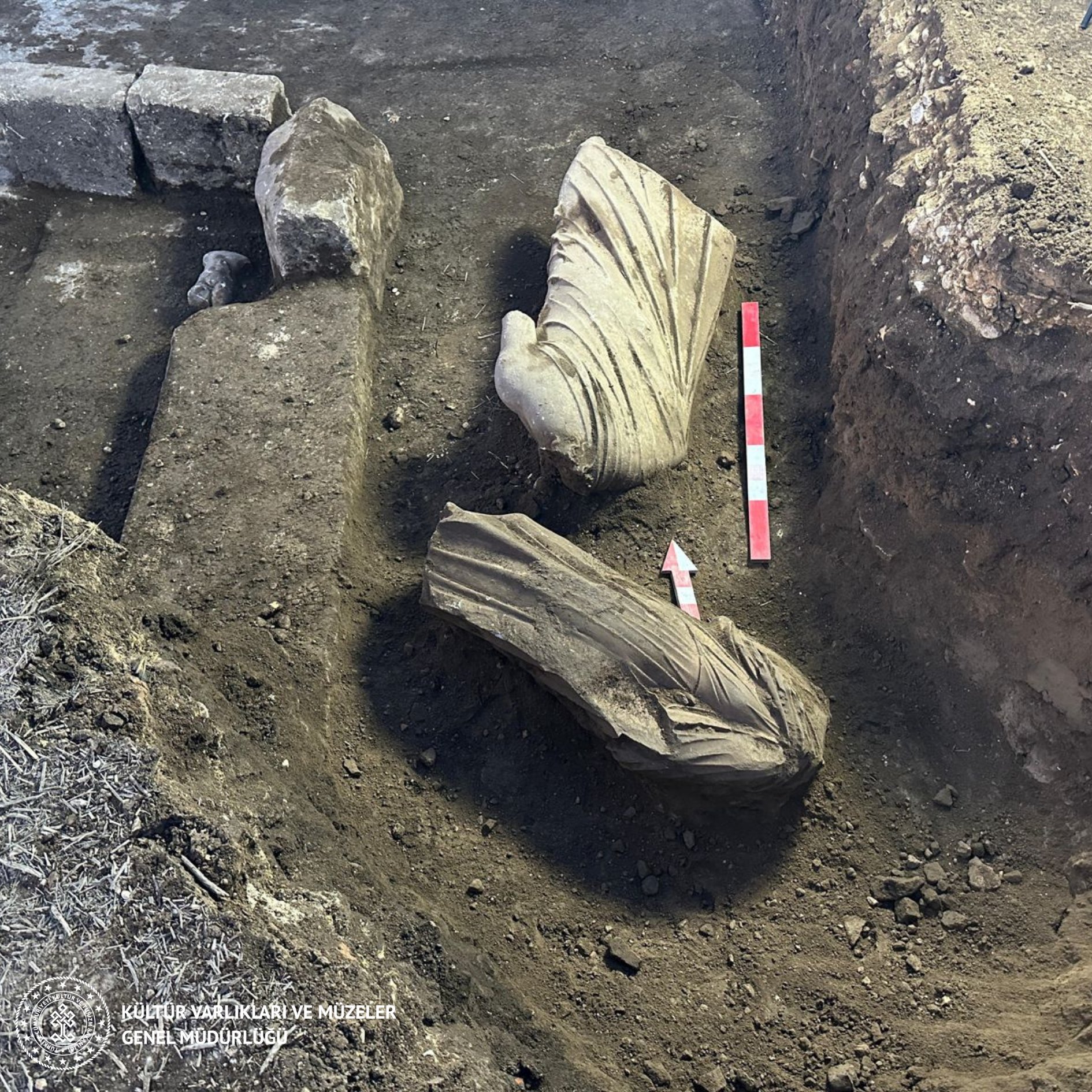
A second female statue with similar features, broken into two pieces, was found in the same area, suggesting it may have been toppled at some point in ancient history.
Excavations on Perge's Eastern Street revealed two additional statues representing a man and a woman, both dressed in classical attire of the period. Their arrangement suggests they may have been part of a sculptural ensemble adorning a public building or a monumental street in the city.
The ancient city of Perge, located in the Pamphylia region of Lycia, is known for its impressive artistic heritage. During the Hellenistic and Roman periods, the city became one of the main centers of sculpture production in Asia Minor. Perge's sculpture workshops were renowned for the quality and realism of their works, many of which were exported to other parts of the Roman Empire.
The Ministry of Culture and Tourism stated that the statues will undergo restoration and conservation before being exhibited at the Antalya Museum, where they are expected to enhance understanding of the art and society of Roman Perge.
Photographs and Source: Department of Cultural Heritage and Museums (Republic of Türkiye Ministry of Culture and Tourism)
Recent News
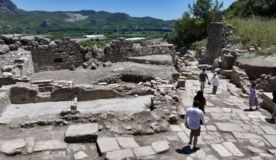
Street unearthed in Aspendos
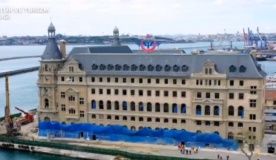
Restoration of Haydarpaşa Station continues
#Haydarpaşa Train Station #Lefke Stone (sandstone) #Hereke Granite
Stoneline Publications’ third book: SELİMİYE
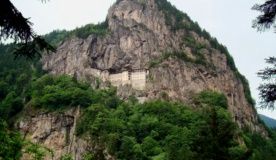
Sümela Monastery reopened to visitors
International Mustafa V. Koç Underwater Archaeology Symposium
#Prokonnesos quarry #Verde Antico #Marmor Docimium, Pavonazzetto, Afyon Violet
The Granikos Battlefield has been placed under protection
#Marmara marble #Prokonnesos marble #Granikos Battle
The Second Edition of Mimarlar İçin Doğal Taş Rehberi and the English Edition, Natural Stone Guide for Architects, Have Been Published
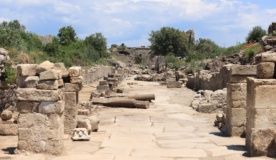
One of the main streets of Ancient Side has been unearthed
#conglomerate #Side Ancient City #Feriştah Alanyalı
The historic Yalı Pavilion is to be reconstructed
The theme of the Edirne Biennial: Bridges