Karahantepe is among the top 10 discoveries of 2025.
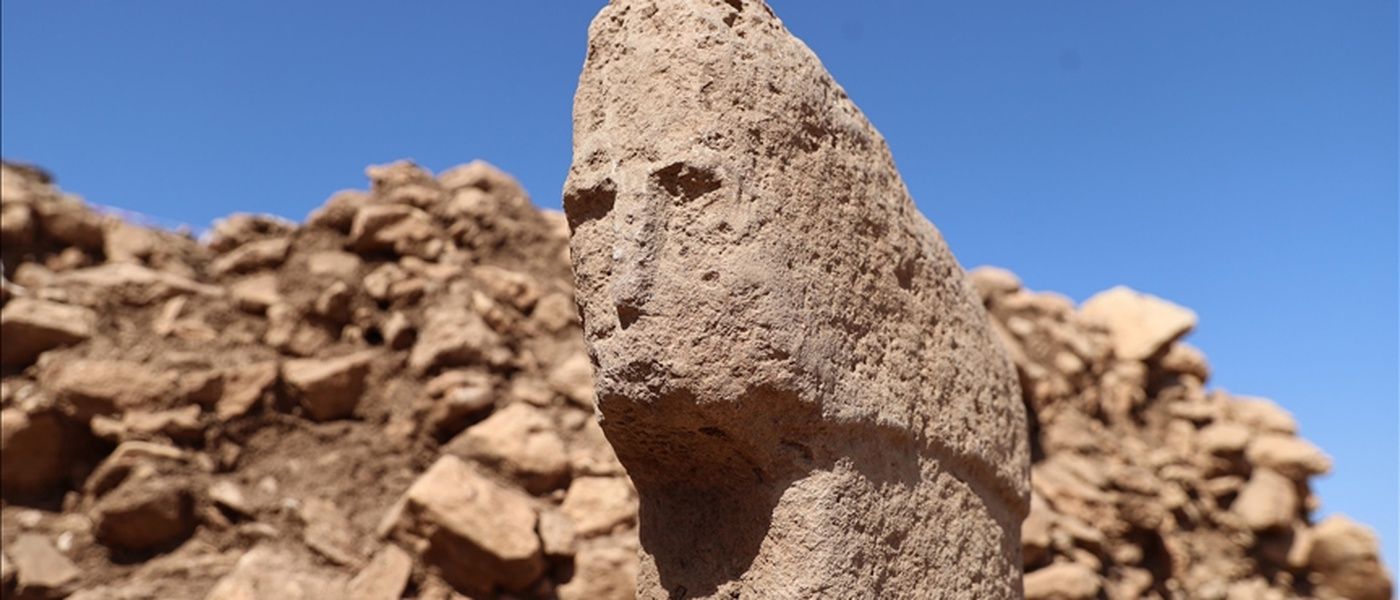
Minister of Culture and Tourism Mehmet Nuri Ersoy announced that Karahantepe, part of the Stone Hills Project being carried out in Şanlıurfa, was featured by Archaeology Magazine as one of the top 10 discoveries of 2025 and was placed on the magazine's cover.
"Karahantepe, a significant part of the Taş Tepeler Project, which celebrated its 5th anniversary on November 26th, was named among the top 10 discoveries of 2025 by Archaeology Magazine, one of the world's most respected publications, and was featured on the magazine's cover.The scientific research we're conducting on these lands is reshaping what we know about human history. I believe this comprehensive process, spanning from micro-analysis to archaeometry, from symbolic findings to conservation efforts, will establish Taş Tepeler as the world's Neolithic capital."
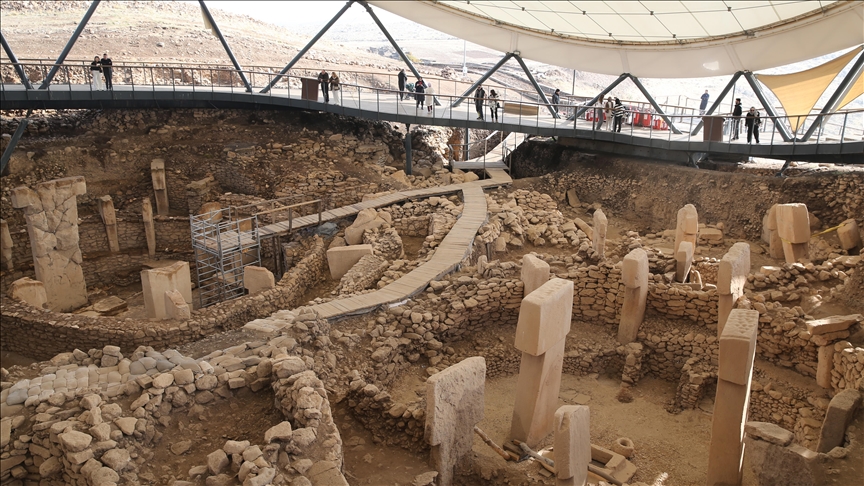
As one of the most comprehensive archaeological projects in the history of the Republic, the Stone Hills Project, which has been ongoing in Şanlıurfa for 5 years, has brought to light significant findings dating back approximately 12,000 years.
Within the project carried out in an area of approximately 100 square kilometers in Şanlıurfa, comprehensive archaeological studies are being conducted at the excavation sites of Göbeklitepe, Karahantepe, Çakmaktepe, Sayburç, Ayanlar, Sefertepe, Gürcütepe, Harbetsuvan, Yeni Mahalle, Kurt Tepesi, Mendik, and Yoğunburç. Under the coordination of the Ministry of Culture and Tourism, 219 academics, led by 36 professors from England, Germany, and Japan, are working to shed light on human history.
Prof. Dr. Necmi Karul, Coordinator of the Taş Tepeler Project, told an AA reporter that they have been tracing the traces of the Neolithic period for years with the support of academics on an international scale. Explaining that the project has significantly strengthened Turkey’s capacity for international cooperation in the field of archaeology, Karul noted the following:
'The project served as a significant demonstration of the ability to conduct research in close coordination on an international scale. The simultaneous excavation of numerous settlements and the concurrent uncovering of numerous architectural remains is extremely impressive and informative for the Neolithic period, with exceptionally well-preserved structures coming to light. At the same time, the discovery of artifacts—many of which have already begun to be exhibited in the museum—has brought the museum closer to prehistoric humans and has also brought Şanlıurfa closer to archaeology enthusiasts.'
Source: AA /Ayşe Karaosmanoğlu ve Rauf Maltaş
Recent News
Street unearthed in Aspendos
Restoration of Haydarpaşa Station continues
#Haydarpaşa Train Station #Lefke Stone (sandstone) #Hereke Granite
Stoneline Publications’ third book: SELİMİYE

Sümela Monastery reopened to visitors
International Mustafa V. Koç Underwater Archaeology Symposium
#Prokonnesos quarry #Verde Antico #Marmor Docimium, Pavonazzetto, Afyon Violet
The Granikos Battlefield has been placed under protection
#Marmara marble #Prokonnesos marble #Granikos Battle
The Second Edition of Mimarlar İçin Doğal Taş Rehberi and the English Edition, Natural Stone Guide for Architects, Have Been Published
One of the main streets of Ancient Side has been unearthed
#conglomerate #Side Ancient City #Feriştah Alanyalı
The historic Yalı Pavilion is to be reconstructed
The theme of the Edirne Biennial: Bridges