Item 1 of 1
Properties
Properties of the Stone
Additional Names
Lapis Syenites, Granito Rosso di Sienite
Color
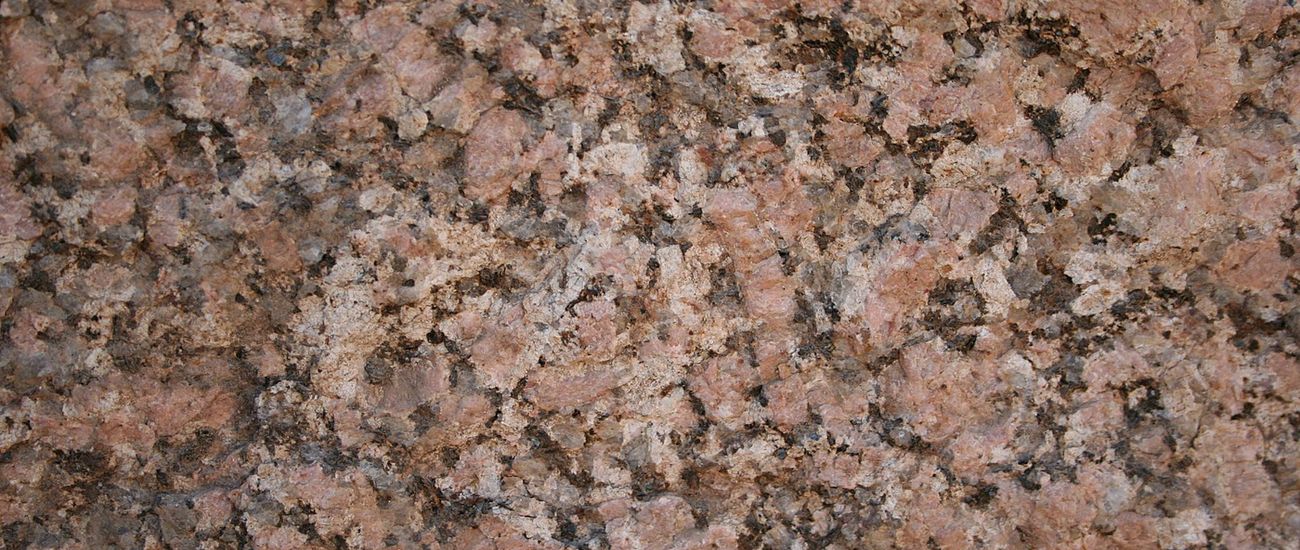
Pink
Scientific Classification
Syenogranite
Commercial Classification
Granite
uarry Site
Aswan-Egypt
Quarry State
Active
Quarry Site and Nomenclature
Egyptian Aswan Granite, quarried from ancient sites between the Aswan (ancient Syene) and Shellal regions of Egypt, is classified as a magmatic rock of the ‘Syeno-Granite-Alkali Granite’ type. During the Roman Empire, this granite was known as ‘Lapis Syenites’ and was referred to by Italian stonemasons as ‘Granito Rosso Antico.’
Use in Roman and Ottoman Architecture
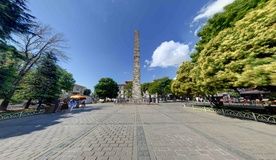
This stone has played a significant role in the construction of many historical buildings, from the tombs of pharaohs to grand temples. Aswan Granite was especially favored for monumental projects such as pharaonic statues and obelisks, and it served as a symbol of power and achievement. In the Roman period, it was extensively used for obelisks, columns, and decorative elements in architectural structures.
During the Ottoman Empire, Aswan Granite was often repurposed as spolia in various constructions. In the records of Süleymaniye Mosque, it is referred to as ‘aklu siyahlu serçe gözi’ (white and black sparrow's eye).
_276x160.jpg)
_276x160.jpg)
_276x160.jpg)
_276x160.jpg)
_276x160.jpg)
_276x160.jpg)

_276x160.jpg)