_1400x600.jpg)
_1400x600.jpg)
_1400x600.jpg)
_1400x600.jpg)
_1400x600.jpg)
_1400x600.jpg)
_1400x600.jpg)
_1400x600.jpg)
_1400x600.jpg)
Item 1 of 9
Properties
Properties of the Building
Architect(s)
Chief Architect Dâvud Ağa, Chief Architect Mustafa Ağa, Chief Architect Meremetçi Mustafa Ağa
Construction Start
9 April 1598
Construction Completion
30 October 1665
The complex, situated in front of the port and commercial areas in Eminönü, was gradually expanded to include a library, a timekeeping room (muvakkithane), a tomb, and fountains over time.
Woman Founders
Women from the Ottoman dynasty played significant roles in the reconstruction of buildings in Istanbul. One such example is the Yeni Cami, a project initiated by Safiye Sultan, the mother of Sultan Mehmed III, on 9 April 1598. The mosque was completed by Hatice Turhan Sultan, the mother of Sultan Mehmed IV, on 30 October 1665, nearly 70 years later.
The New Mosque in Evliya Çelebi
The mosque and its complex, built at the entrance of Istanbul port between the Şehitkapı and Balıkpazarı Gates, encountered various difficulties during its construction. Evliya Çelebi notes that the expropriation of land of the Jewish quarter caused the city's residents to call it as 'Zülmiye' (injustice). After the death of its founder, the project remained dormant for decades. The re-established Jewish quarter required further expropriation. However, this time, because justice was served, the people began referring to the mosque as ‘Adliye’ (courthouse).
Architects
The construction of the mosque began under the direction of Chief Architect Dâvud Ağa. When water was encountered during the excavation for the foundations, Dâvud Ağa had long piles capped with lead driven into the ground, tying them together to lay the foundation. However, he passed away when the walls of the mosque began to rise with the stones brought from Rhodes. Although Chief Architect Dalgıç Ahmed Ağa was tasked with completing the mosque, Sultan Mehmed III and Valide Safiye Sultan passed away in the Old Palace. Years later, construction resumed under the orders of Hatice Turhan Valide Sultan. The New Mosque (Yeni Cami), the largest structure built near the sea in its time, was completed under the supervision of Chief Architect Meremetçi Mustafa Ağa.
Architectural Features
The Yeni Cami follows the typical portico courtyard scheme of classical Ottoman architecture and features a central plan. It is the most distinct variation of the prince typology in the classical period. The rectangular sanctuary, or harim, measuring 35.50 meters × 40.90 meters, is covered by a dome with a diameter of 16.20 meters. This dome rests on central supports with pointed arches, and transitional pendants. This main dome extends to the sides with semi-domes on all four sides.
The mosque has a highly dynamic appearance, featuring gallery façades with pointed arches on both sides, covered by a wide eaves at the top, and supported by muqarnas capitals on columns. It is an exceptional work, likely due to the involvement of three different architects, which resulted in slightly asymmetrical plans in various directions. The mosque also features impressive tile, calligraphy, woodwork, and stone decorations.
Building Materials
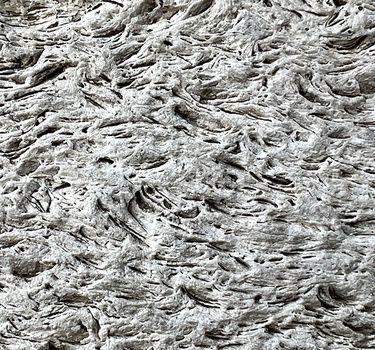
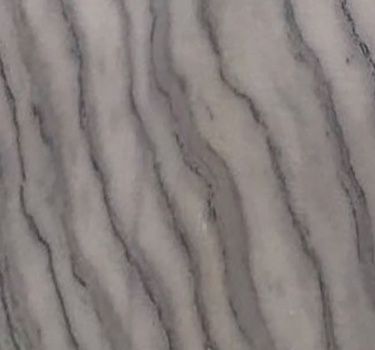
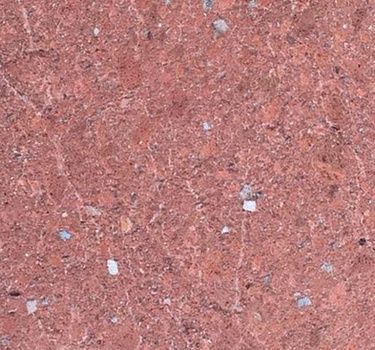
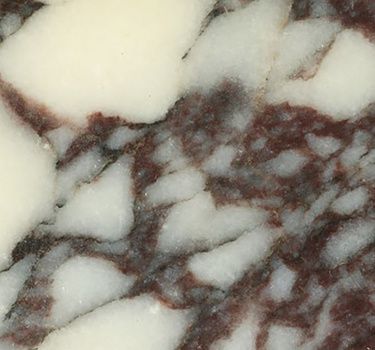
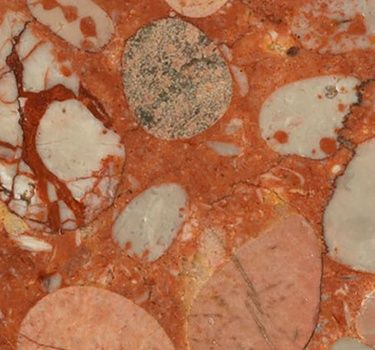
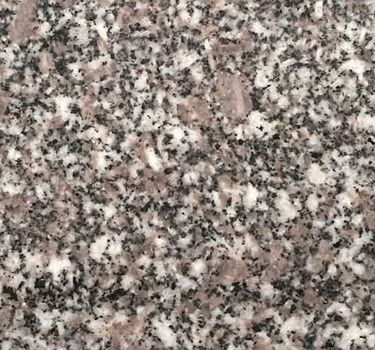
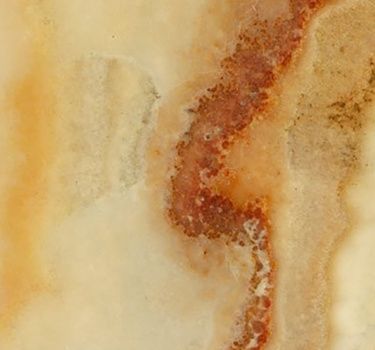
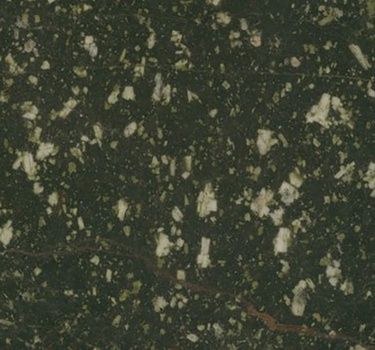
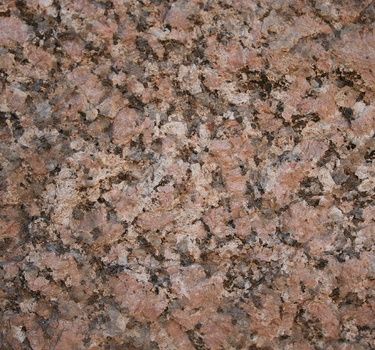
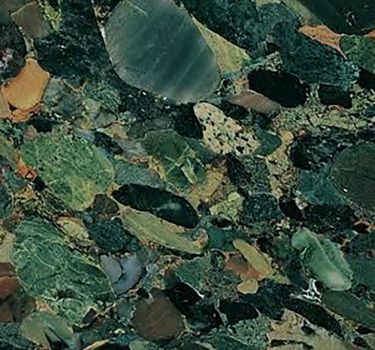
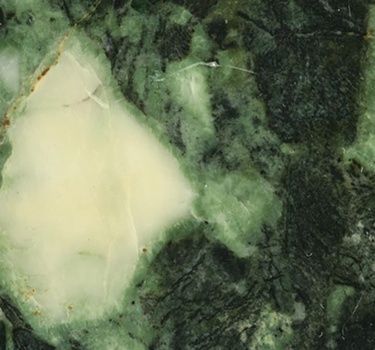
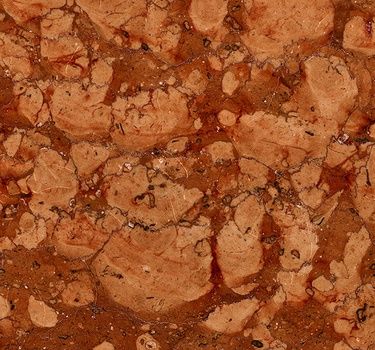
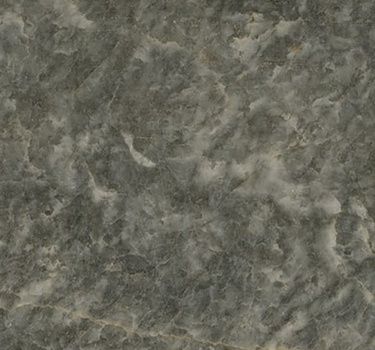
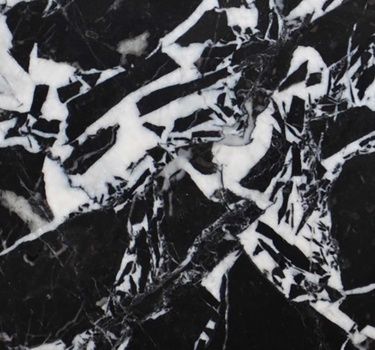
The mosque is build of cut limestone, marble, and brick. Cut limestone is used for the body walls, minarets, and courtyard walls, while marble is employed on the facades of the side galleries, portico facades of the courtyard, door, and lower row window openings. Bricks are used in the roofing system of the mosque.
Courtyards
The outer courtyard of the mosque was originally enclosed by the city wall, but this wall, along with the surrounding shops, was demolished after the construction of the Galata Bridge in the late 19th century. The courtyard was further disrupted by the construction of a road between the mosque and the bazaar.
The Sultan’s Gallery and Pavilion
One of the columns used in the sultan's gallery (hünkar mahfil) was brought by Yusuf Pasha, the Conqueror of Chania. The column’s yellow colour led to a misconception that it was made of gold, which eventually caused Yusuf Pasha to be executed under the accusation that he had hidden treasure from the sultan. The sultan’s pavilion, located in the southeast corner of the mosque, provides access to the sultan’s gallery. It is arranged across three floors: the lower and middle floors are made of cut limestone, while the upper floor features a combination of stone and brick masonry.
Complex and the Spice Bazaar
The New Mosque was designed as a complex, which includes a tomb, a Quran school (darülkurra), a Hadith school (darülhadis), a fountain (sebil), and a market (arasta). The market, originally called the Valide Bazaar and Yeni Çarşı at the time of its construction, has been known as the Spice Bazaar since the mid-18th century.
Library and Endowment
During the reign of Sultan Ahmet III (1724-1725), a library was built to the right of the portico in front of the tomb. In 1813, a timekeeping room (muvakkithane) was constructed on the corner of the courtyard wall to the south of the mosque.
References
Ayvansarâyî Hüseyîn Efendi, Alî Sâtı Efendi ve Süleyman Besîm Efendi. (2001). Hadîkatü’l-Cevâmi, İstanbul Câmileri ve Diğer Dinî-Sivil Mi‘marî Yapılar, Ed. Ahmed Nezih Galitekin, İşaret Yayınları, pp. 61–63.
Çobanoğlu, Ahmet Vefa. (2013). 'Yenicami Külliyesi', DİA, Vol. 43, pp. 439–442.
Eyice, Semavi. (1994). 'Dâvud Ağa', DİA, Vol. 9, pp. 24–26.
Kahraman, Seyit Ali ve Akbayar. (1996). Nuri. Sicil-i Osmanî: Osmanlı Ünlüleri, Haz. Mehmed Süreyya, Tarih Vakfı Yurt Yayınları, Vol. 5, p. 1699.
Kahraman, Seyid Ali ve Dağlı, Yücel. (2003). Günümüz Türkçesiyle Evliya Çelebi Seyahatnâmesi, Vol. 1, Yapı Kredi Yayınları, pp. 259–261.
Kuban, Doğan. (1994). 'Yeni Cami Külliyesi', Dünden Bugüne İstanbul Ansiklopedisi, Vol. 7, A Joint Publication of the Ministry of Culture and the History Foundation, pp. 464–467.
Kuban, Doğan. (2007). Osmanlı Mimarisi. YEM Yayınları, pp. 371–378.
Selaniki Mustafa Efendi. (2001). Tarih-i Selaniki. I–II, Ed. Mehmet İpşirli, Türk Tarih Kurumu Yayınları.
Silahdar Fındıklılı Mehmed Ağa. (2018). Nusretname: Tahlil ve Metin (1106–1133 / 1695–1721), Ed. Mehmet Topal, TÜBA.
Uluçay, M. Çağatay. (1980). Padişahların Kadınları ve Kızları, Türk Tarih Kurumu, pp. 56–57.
Natural Stones
Stones used in this building