Item 1 of 2
Properties
Properties of the Stone
Additional Names
Marmor Lesbium, Bigio Antico
Color
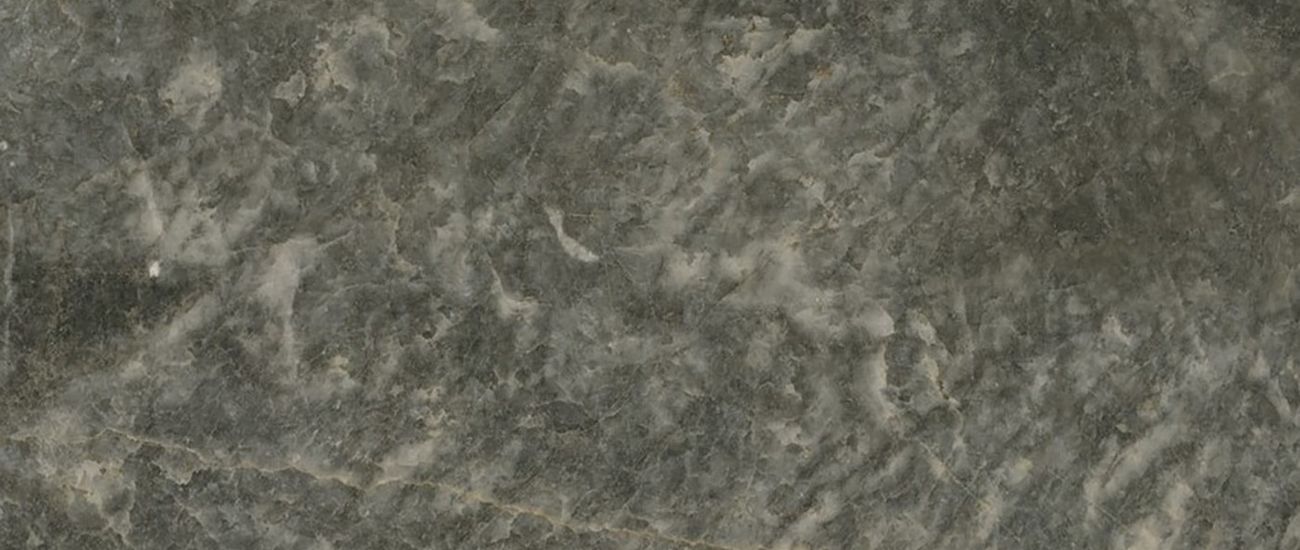
Grey+White
Scientific Classification
Limestone
Commercial Classification
Marble
Quarry Site
Lesbos Island-Greece
Quarry State
Inactive
Quarry Site and Origin
Lesbos Island Marble, a ‘True Marble,’ extracted from ancient quarries on the Greek island of Lesbos (Mytilene) is known for its durability. This marble was known by the Romans as ‘Marmor Lesbium’ and as ‘Bigio Antico’ by Italian stone masons. A similar stone was also quarried from the Deliktaş site in the İznik, Bursa.
Geological Characteristics and Aesthetic Qualities
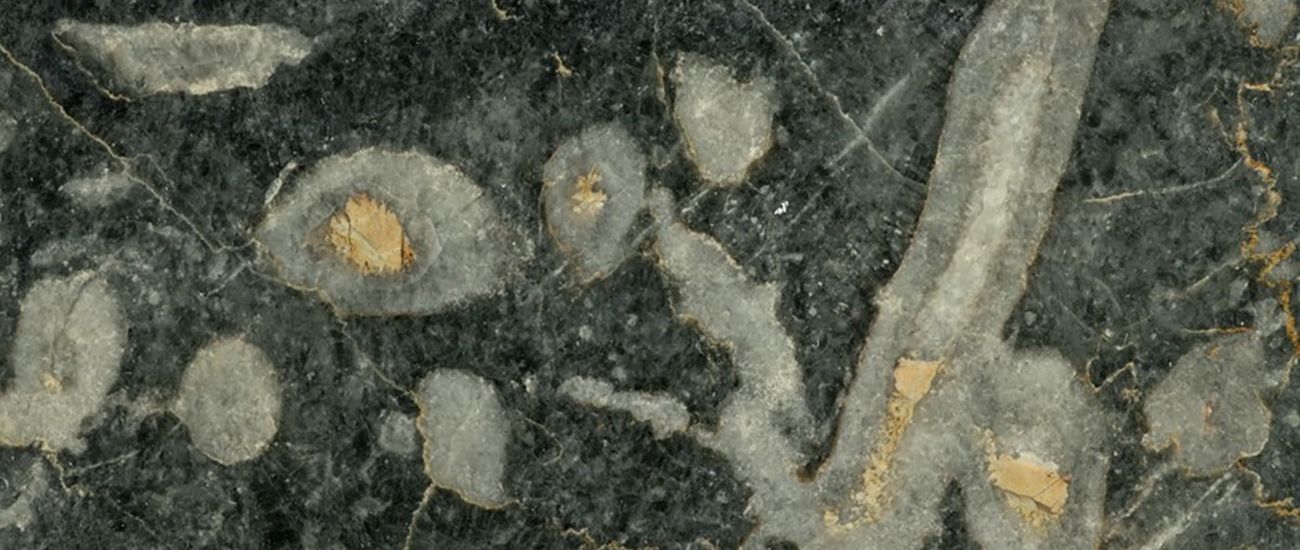
Some varieties of this limestone, called ‘Bigio Antico Lumachellato,’ contain distinctive megalodon fossils from the Triassic period. Although its coarse texture limited its suitability for fine detail work, the marble was prized from Classical and Hellenisitic through the Roman and Byzantine eras.
Useage Areas and Cultural Heritage
Widely used in Roman construction and decoration, it was favored for monumenetal columns, capitals, and bases, floor tiles, sculptures, honorific and gladiatorial reliefs funerary monuments, and other architectural details.
On the island of Lesbos, the local stone was used in the construction of important monuments on the island, including the sanctuaries in Klopedi and Messa, as well as in foundations and fortifications. It was used extensively at the extensive architectural complex at Pergama for it monumental structures and elements.
*George Zachos, ‘The Marmor Lesbium reconsidered and other Stones of Lesbos.’ ASMOSIA X, Rome 2015, 201-211.
_276x160.jpg)
_276x160.jpg)
_276x160.jpg)
_276x160.jpg)
_276x160.jpg)

_276x160.jpg)